Mission: Saving the Mother
and Baby.
Equipping local African engineers to build batteries for hospitals so that mothers and babies survive childbirth during power outages.
Owned by the local Maasai Mara community
Why This Mission Exists
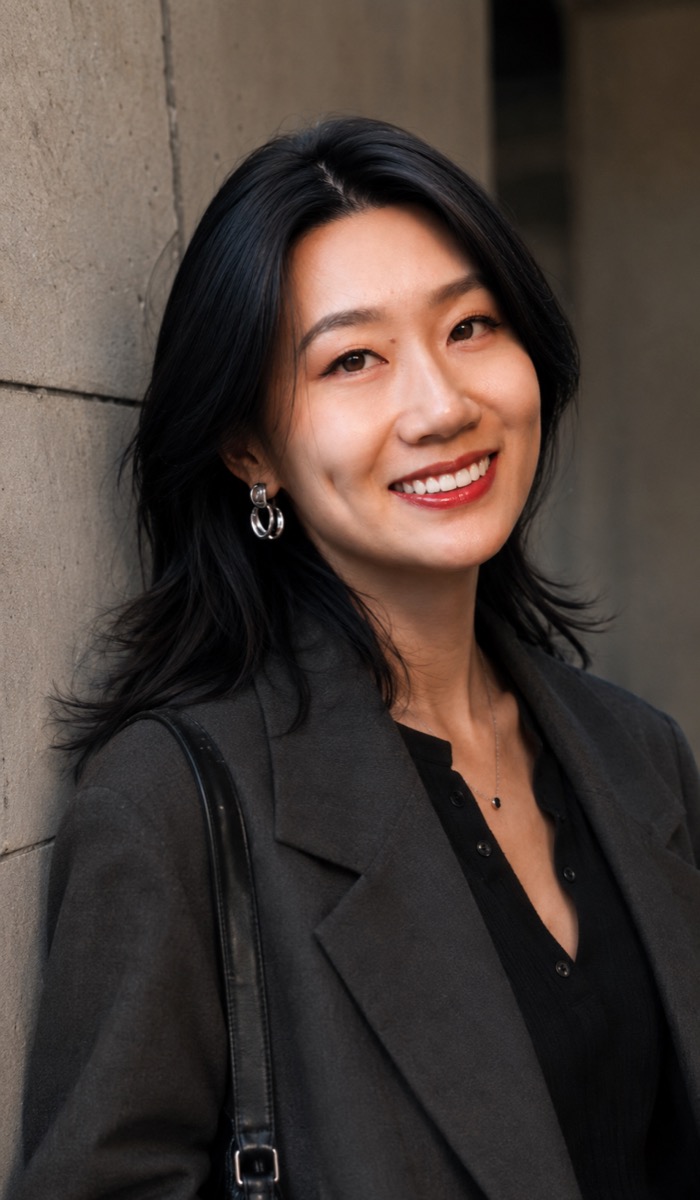
I'm Sarah Wang, CEO of BioKite Labs. After losing my childhood best friend, Penelope, suddenly on Valentine's Day 2019, with no warning she was severely ill, I understood the helplessness of being unable to save the person who mattered most. Friends, Festus and Naeku, in the Maasai Mara community feel the same pain when a power outage strikes mid-delivery. BioKite exists so the equipment stays on to save a mother and her baby.
"Electricity decides whether the mother keeps her baby."
Sarah Wang, CEO & Co-Founder
Every hour without power puts mothers and newborns at risk.
Donate NowProject Proposal
We are seeking $75,000 to start a pilot that equips 15 local youth engineers to build batteries from recycled materials capable of saving up to 150,000 lives. Our doctors have lost mothers and babies during surgery in the middle of power outages. We build 30 stable power sources, 15 LiFePO4 systems and 15 solar battery systems, for the price of one conventional system (about $10,000).
The majority of our team is Maasai indigenous, and we have 12 community ambassadors co-building this initiative alongside 15 engineers and 5 community leaders. With $75,000, our goal is to expand this effort to four Kenyan communities, equip local engineers with professional skills, protect vulnerable patients, ensure sustainable power access, and strengthen the circular economy.
30 stable power sources: 15 LiFePO4 battery systems + 15 solar backup units, built from recovered and recycled materials by locally trained engineers.
Majority Maasai indigenous team: 12 community ambassadors, 15 engineers, and 5 community leaders - 24 stakeholders who own and sustain the program.
Designed to scale: Phase 1 covers Narok County (15 facilities, 150,000 lives). Phase 2 expands nationally across Kenya. Phase 3 enters 1 to 3 new countries per year, all following a documented playbook any county health system can adopt.
You do not think of "the power going out" as a cause of death, until it happens mid-delivery.
Over a billion people receive care where the power can cut out at any moment, killing oxygen supply, spoiling vaccines, and going dark on surgical lights (WHO, 2023). Sub-Saharan Africa loses 182,000 mothers and 2.8 million young children a year, and 87% of donor-funded solar fails within five years due to poor maintenance (WEF, 2020; CHAI, 2025).
16 mothers in Kenya die each day from preventable causes. Your partnership reduces that number.
Donate NowBioKite's Program
Donor-funded solar usually dies within five years: 87% of it does. Ours is built, owned, and maintained by the community, and it is engineered to outlast the donation. For the price of one conventional battery (about $5,000), BioKite trains local engineers to build systems that last roughly seven years and keep a clinic powered for the thousands of patients it serves annually.
NuruGrid
NuruGrid battery systems are assembled by certified local engineers using retired EV battery cells sourced from the WEEE Centre in Nairobi. LiFePO4 chemistry is chosen for its safety, 7-year lifespan, and tolerance for irregular solar charging in off-grid environments.
NuruLoop
NuruLoop integrates with existing motorbike networks to deliver battery materials and assembled units to remote health facilities, keeping costs low and embedding the solution within systems the community already trusts.
Four Non-Negotiable Requirements
Always-On Power
Clinics maintain uninterrupted electricity for maternal care equipment during every outage.
Continuous Cold Chain
Vaccine and medication refrigeration never breaks, protecting critical supplies.
Certified Local Energy Officer
Every clinic has a 160-hour certified engineer who owns and maintains the power system.
Verified Compliance
Weekly scorecards track uptime, battery health, and equipment status. Full transparency.
Clinic Spotlight: Olosho-Oibor
At Olosho-Oibor, a single nurse-midwife serves 3,000 patients through 4 to 6 power outages every week. During outages, there is currently no backup power. BioKite provides that backup.
Phase 1 (Year 1): Narok County. 15 facilities, 150,000 lives reached, 24 local stakeholders. $75K funds 15 engineers and powers 15 clinics.
Phase 2 (Year 2 to 3): National expansion across Kenya, replicating the documented Narok County model in additional counties.
Phase 3 (Year 3 onwards): Cross-border expansion, 1 to 3 new countries per year, using the same community-ownership playbook.
At scale, we project saving one year of healthy life for under $105, against the WHO benchmark of roughly $2,200. In a preliminary model, the pilot is estimated at $350 to $525 per DALY averted (a DALY is one year of healthy life lost to death or disability), with the potential to fall below $105 per DALY at scale. These are modeled projections to be validated with pilot data.
Reasons to Partner
You have probably funded equipment that is now sitting broken in a storeroom somewhere. This is the model built so that never happens again. We keep the dispensaries that programs, health workers, and prior investments already depend on running during the moments that matter most.
Local Ownership
Locally certified engineers. The community owns and maintains the systems. Zero subscriptions, durable local capacity.
Measurable Evidence
We publish clinic uptime before and after, ready for donors and peer-reviewed research.
Scalable Model
Narok is a documented case study, replicable across counties and countries.
Your $30,000 can launch the recommended pilot partnership - powering clinics within months.
Become a Pilot PartnerPartnership Paths
You do not have to anchor a donor consortium to make a real difference here: a 30-minute conversation is a genuine starting point. For funding partners, three tiers are available, with split-pay arrangements welcome:
Turn $20K into a permanent local workforce that does not leave when the grant does.
- 15 engineers certified as Field Energy Officers
- 15 deployment-grade batteries built
- 6 to 7 clinics powered (about 18,000 to 25,000 in catchment)
- Full uptime data
- Site visit and training co-branding
The proof-of-concept that makes every future funder say yes, with your name on it.
- 15 engineers and up to 15 clinics
- About 45,000 in direct catchment (up to 150,000 projected at scale)
- Published before-and-after data
- Co-author on a peer-reviewed study
- Named dispensary partner
Do not just fund the pilot: own the blueprint that scales across a continent.
- Everything in Pilot Partner
- 12-month monitoring and maintenance
- Annual recertification funded
- Naming rights to a deployed clinic battery system
- Advisory council seat
- Early opportunity to co-fund expansion
Split-pay is welcome. We can structure payments across quarters or fiscal years to align with your budget cycle.
We're Not Starting From Zero
24 local youth engineers already enrolled, led by Paul Maina. Four institutional partners on the ground.
 Maasai Mara University
 Maasai Mara Youth Council
 Elongko Africa
 ACOPPHE
The People Behind the Mission
A cross-continental team united by one belief: the mother keeps her baby.



Sarah Wang, MPH
Maison Ole Kipila

Mike Tuffour Amirikah
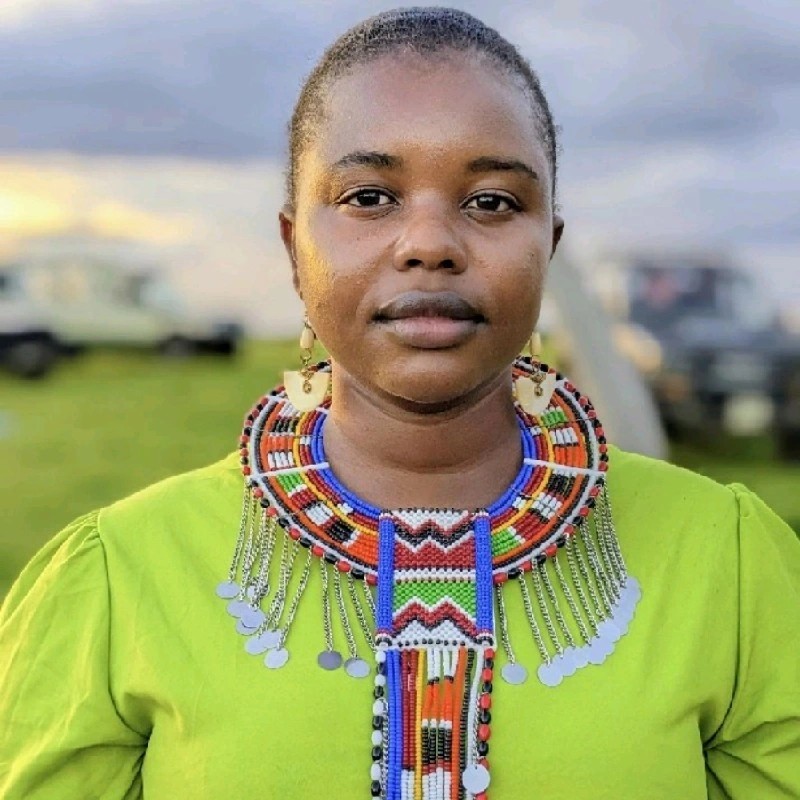
Naeku Leshao
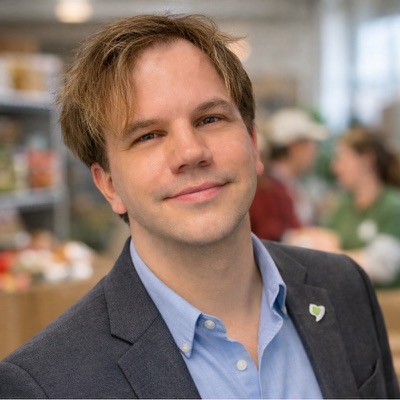
Byron Aho
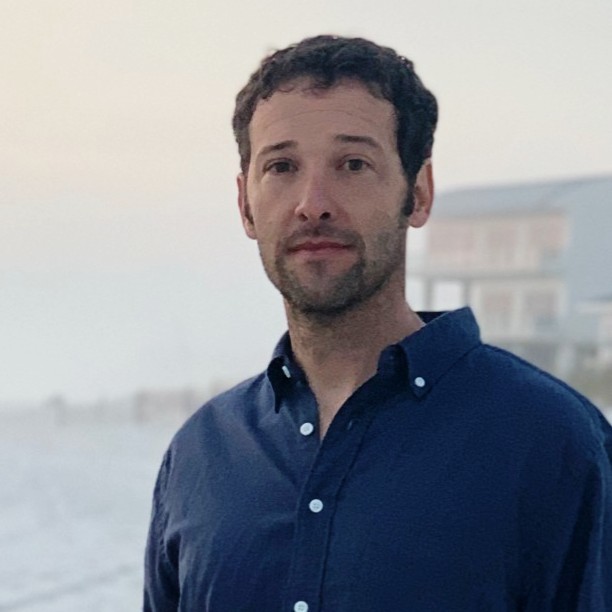
Brian H. Potts, JD
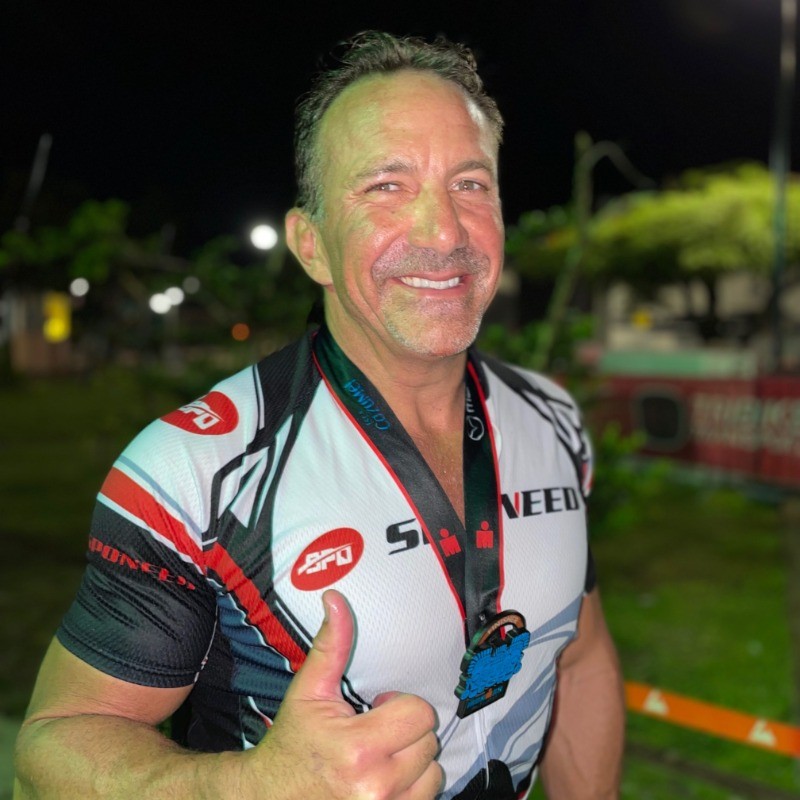
Tony Medrano, JD/MBA
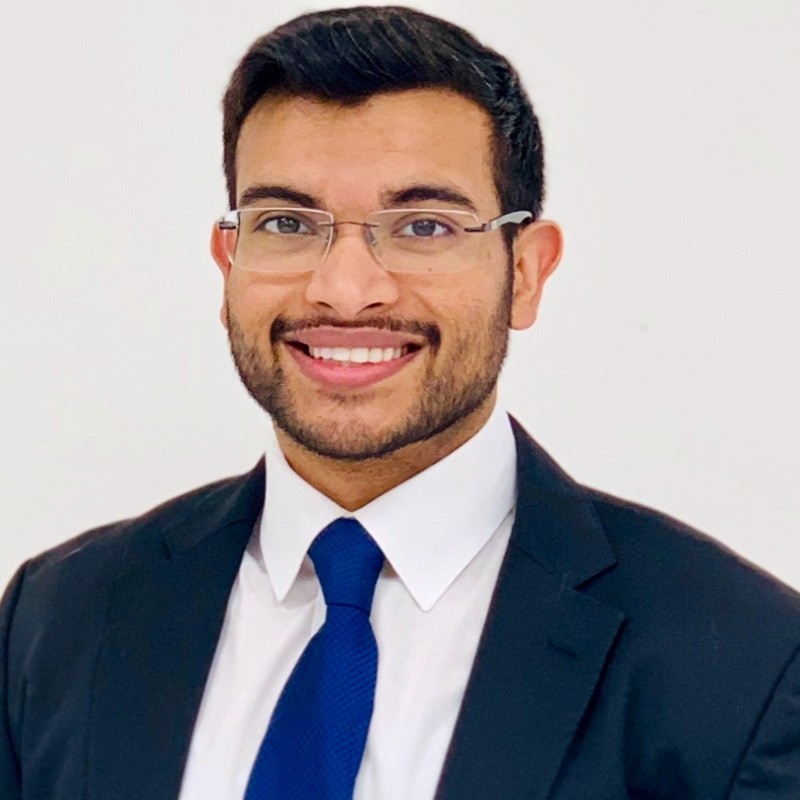
Tejasvi Sharma, PhD
Yikee Adje, MA
Saving the Mother and Her Baby.
Give us 30 minutes in the next 30 days: that is all it takes to see whether your goals and ours line up.
Contact: biokitelabs@gmail.com
Sarah Wang, CEO & Founder, BioKite Labs
Frequently Asked Questions
Yes. Donations to BioKite Labs are tax-deductible. We are filing for 501(c)(3) tax-exempt status before February 2027. Donations are processed securely via Stripe.
All partners receive weekly scorecards tracking clinic uptime, battery health, and equipment availability. Quarterly impact reports aligned with GRI 305 and GRI 413 are delivered via email and a private partner dashboard. You see exactly where every dollar goes.
Yes. Pilot Partners and Full Vision Partners are warmly invited to visit Narok County to see the program firsthand. Our local team, led by Maison Ole Kipila (Chief of Partnerships), coordinates site visits with community leaders and clinic staff. We want you to see the impact you make.
87% of donor-funded solar systems fail within five years because ongoing maintenance costs were never budgeted (Lubaale & Mushega, 2025). BioKite solves this by training and certifying local energy officers who own, operate, and maintain the systems. Zero subscriptions, zero dependency on external contractors. The community keeps the power on for approximately 7 years per system.
Absolutely. Split-pay is welcome across all partnership tiers. We can structure payments across multiple quarters or fiscal years to align with your organization's budget cycle. Reach out to biokitelabs@gmail.com to discuss a custom schedule.
BioKite aligns with SDG 3 (Good Health and Well-Being), SDG 7 (Affordable and Clean Energy), SDG 11 (Sustainable Cities and Communities), and SDG 13 (Climate Action). Full alignment documentation is available in our ESG partnership overview.
Every dollar runs the pilot. $75,000 certifies 15 local engineers through a 160-hour program, builds 30 backup batteries from recovered materials, and powers up to 15 clinics in Narok County, Kenya. Our transparent budget is published with line-item detail. No bloated overhead - the money goes to engineers, materials, and communities.
The Narok County pilot is a documented case study designed for replication. Phase 1 covers Narok County in Year 1, reaching 15 facilities and 150,000 lives. Phase 2 expands nationally across Kenya in Year 2 to 3. Phase 3 begins cross-border expansion, entering 1 to 3 new countries per year from Year 3 onwards. Engineers stay. The community owns its power. Full Vision Partners receive priority partnership rights for expansion communities.
References
- BioKite Labs (2026). Internal pilot design documentation and engineering curriculum. Narok County, Kenya.
- Sayagie, G. (2025). Maternal mortality and healthcare infrastructure in Narok County. Community health assessment report.
- World Health Organization (2023). Maternal mortality: Key facts. WHO Global Health Observatory.
- Clinton Health Access Initiative (2025). Cost-effectiveness benchmarks for community health interventions in Sub-Saharan Africa.
- Lubaale, G. & Mushega, A. (2025). Failure modes of donor-funded solar installations in East Africa: A five-year retrospective. Journal of Sustainable Energy in Developing Countries.