BioKite is Duracell for rural health clinics.

1 billion people get healthcare where the power cuts out without warning:
208 outages a year, 2 to 6 hours each, mothers delivering by headlamp.

For the cost of one conventional battery: 15 engineers trained, 15 batteries built, 15 clinics powered, 150,000 patients served.
Raising $75K to launch in Narok County, Kenya.

Donate Now Partner With Us
24
Narok Stakeholders Engaged
15
Engineers in Training
15
Clinics in Progress
150K
Patients Targeted
Scroll to explore
Live in Narok County
NuruGrid · 24 local stakeholders co-designing the pilot: 18 Kenyan engineers, 6 community health leaders, an expert electrician, and a director of 2 rural clinics & head of the Narok County Doctors-Nurses Association
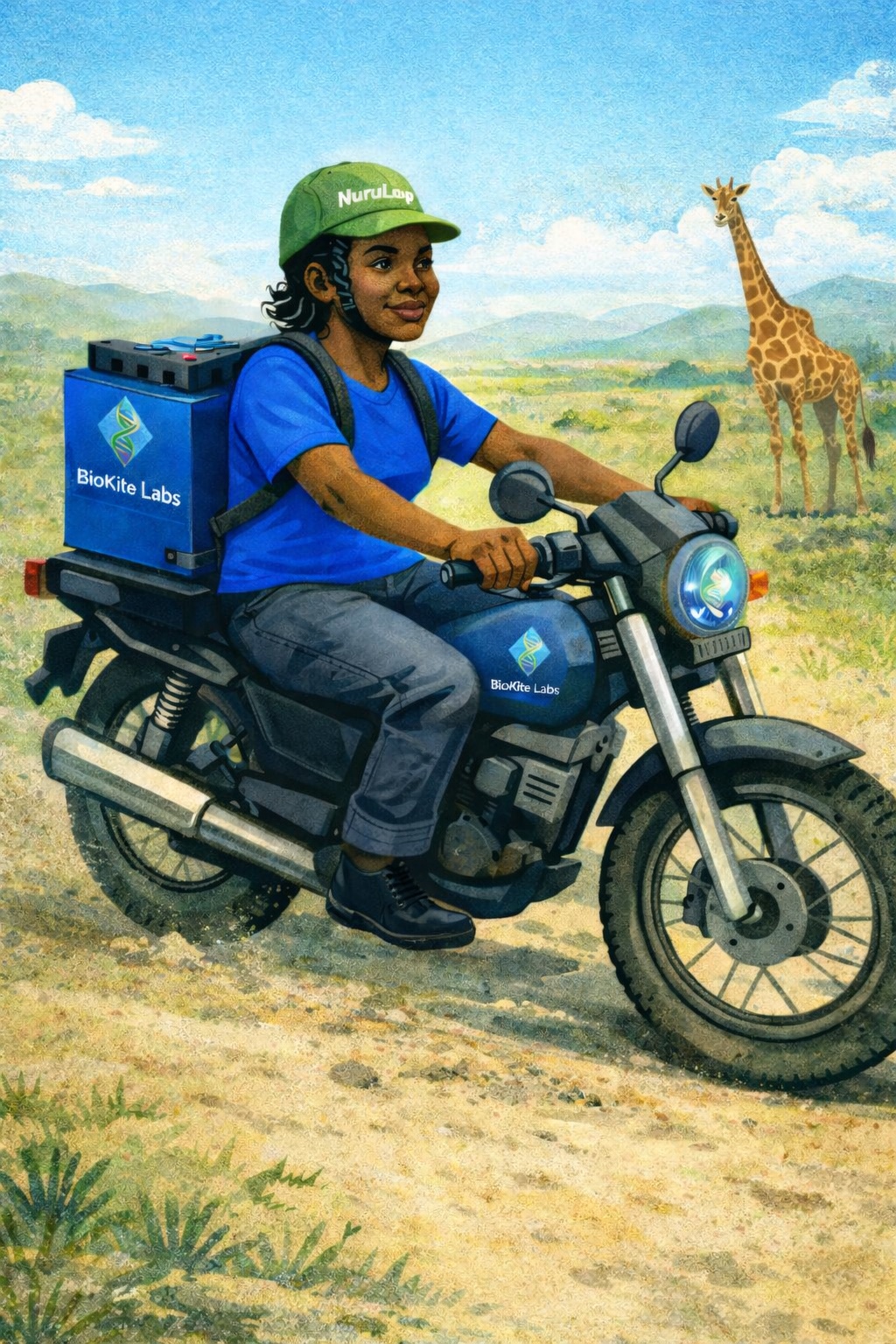
NuruLoop · Narok County already has a motorbike resource-delivery network. We're plugging into it.

BioKite keeps the power on. So families stay together.
$350–$525 per life-year saved for the first pilot. <$105 at scale after 10 years. WHO considers anything under $2,200 cost-effective.

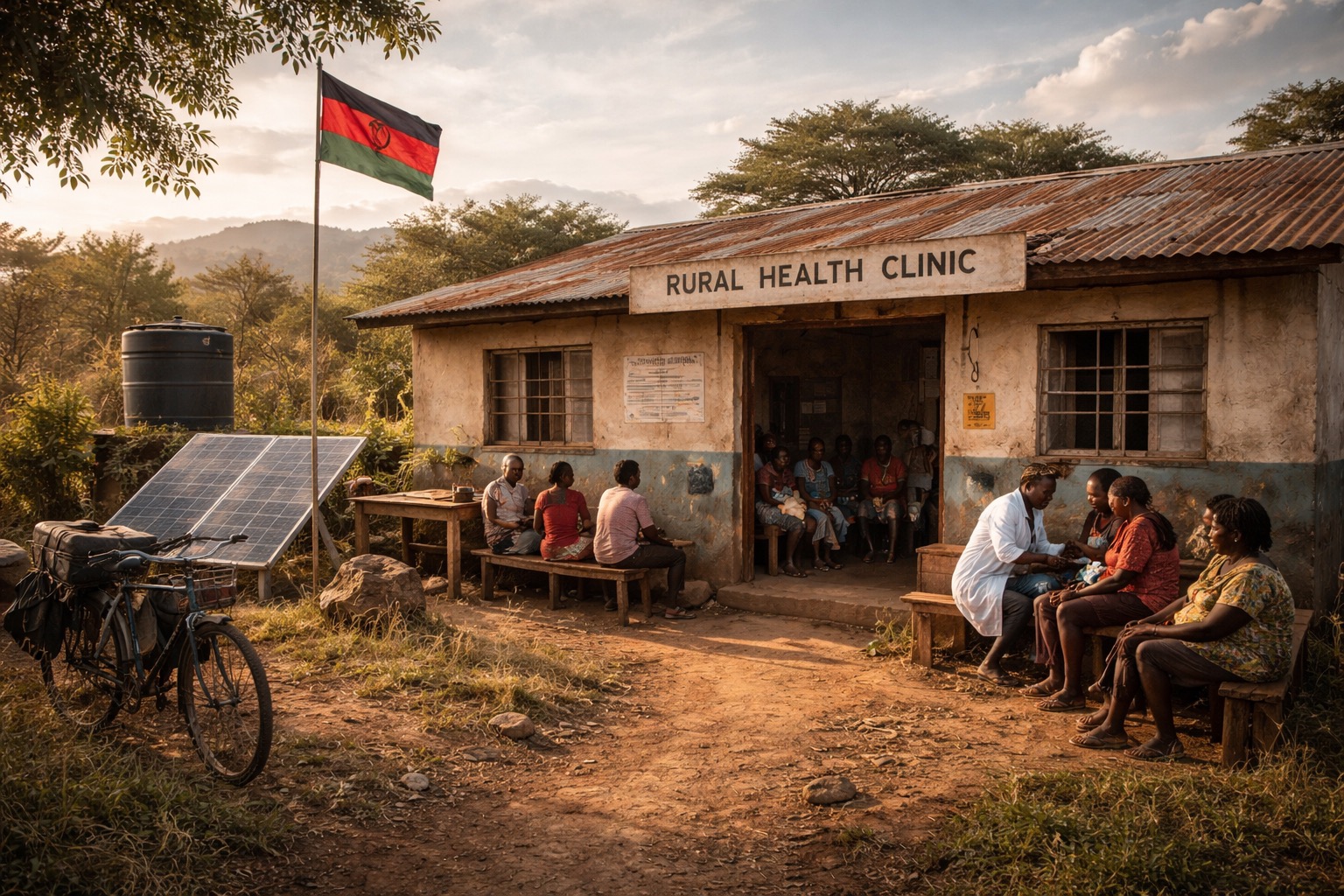
Olosho-Oibor Dispensary at dusk. Patients wait on benches outside weathered walls. A fading solar panel leans nearby. A bicycle rests in the dirt.

When the Lights Go Out

Olosho-Oibor Dispensary · Narok County, Kenya
3,000
Patients
1
Nurse Midwife
4–6
Outages / Week
2–6 hrs
Each Blackout

The vaccine fridge goes warm. The phone charging for the ambulance call dies. A woman in labor delivers by headlamp, if the batteries in that work, too.

This is not a crisis. This is a schedule.

1B+
people receive care where
the power can cut out at any moment
182,000
mothers die every year
in Sub-Saharan Africa
499 per day. 21 per hour. One every 2.9 minutes.
2.8M
children under 5 die every year
in Sub-Saharan Africa
7,671 per day. 320 per hour. One every 11 seconds.
$28B
in medical equipment sits idle
because no one keeps the power on

Amina grips the wooden bedframe. The contractions started at sunrise. Outside, her three-year-old chases a chicken through red dust. The smell of charcoal smoke. A radio playing somewhere.

Her sister-in-law wipes her forehead with a damp cloth. Cool against the heat. The nearest clinic is two hours by foot. The baby is coming now.

Something is wrong. Too much blood, soaking through the fabric, pooling on the packed earth floor. The metallic smell fills the room. Her sister-in-law runs for help. The radio keeps playing.

By the time the motorbike arrives, Amina's eyes have closed. Her hand still warm. The baby crying.

Her daughter will grow up being told: your mother loved you so much.

While you read Amina's story, approximately 3 minutes passed.
In that time, somewhere in Sub-Saharan Africa, another mother died. And 16 children.

Since you opened this page, 0 mothers and 0 children have been lost.

21 mothers every hour · 320 children every hour

182,000
mothers lost every year
2.8M
children lost every year

Each one had a name. A hand someone held. A family that will never be whole again.

It takes 30 seconds to help save a life

One of the world's most significant, readily solvable problems is power outages in health facilities and what they do to the people inside. Over one billion people receive care in clinics where the lights can cut out at any moment. Across Sub-Saharan Africa, 182,000 mothers and 2.8 million children under 5 die every year. In Kenya alone, more than 5,000 mothers and 64,500 children. $28 billion in medical hardware sits in clinics worldwide, underperforming or idle, because no one owns the operational layer that keeps it running.

We target Kenya because the problem occurs frequently here and with catastrophic consequences.

Olosho-Oibor Dispensary, Narok County. Baseline monitoring data:
208
Outages / Year
416–1,248
Hours Without Power
58×
Kenya's National Average
$2K–$8K
Annual Clinic Budget
$125–$500
Discretionary Spending
43%

Every day a power outage lasts beyond two hours, patient mortality rises by 43%.

At Olosho-Oibor: 208 outages last year. Each one, two to six hours. That is 208 windows where a woman on the delivery table, a newborn under an oxygen mask, or a child waiting for a refrigerated vaccine faced sharply elevated risk of death.

In Kenya alone, more than 5,000 mothers and 64,500 children under 5 die every year. Power outages do not cause every death. But in a clinic running on prayer and a dead generator, they turn survivable emergencies into fatal ones.

Tractable

No new hardware. No solar installation. No internet required. One certified energy officer can implement and maintain the full protocol at a single facility. The intervention operates at the device level: when the power fails, unplug non-essential equipment and route the backup battery to the three devices that determine whether patients live or die.

🫁
Oxygen Compressor
🧊
Vaccine Refrigerator
🚰
Surgical Sterilizer

Remote sensors detect the outage and alert personnel wherever they are. The officer returns, launches the backup battery, and the three life-saving devices stay on. No wrap-around program. No complex installation. Just the power that keeps people alive.

Neglected

No existing organization conducts device-level behavioral audits, deploys visual readiness protocols, certifies facility energy officers, or trains local engineers to build and maintain backup battery systems from repurposed parts at rural clinics. Not one:

  • Clean Energy Group
  • Direct Relief
  • ASHE
  • Health Care Without Harm
  • WHO
  • USAID HETA

Why the Power Never Stays On

  • The grid wasn't built to reach here. Hydro drops in dry season. Diesel runs out. Transmission lines stretch thin across hundreds of kilometers, and rural clinics sit at the very end. Last served, first cut.
  • No one comes to fix it. The utility doesn't prioritize a dispensary. The county points to the utility. The utility points to the county. The clinic waits.
  • Donor solar was the answer. Then 87% of it broke. Installed by outside organizations. Maintained by no one. Owned by no one. Batteries degraded. Inverters failed. No one local had parts, training, or a reason to repair what wasn't theirs. Five years later: dead panels, dead batteries, back to the generator. If there's fuel.
  • The pattern repeats. Equipment arrives, the funder leaves, maintenance doesn't exist, the system dies.

The Math

$250
Clinic's annual budget
$450
Commercial backup battery

The clinic cannot buy the solution, even if one existed that could be repaired locally. None does.

1 conventional battery 15 engineers trained + 15 batteries + 15 clinics + <150,000 patients

What Changes

The protocol is simple.

When the power fails, the certified energy officer unplugs non-essential devices and connects the backup battery to the three machines that determine who lives: the oxygen compressor, the vaccine refrigerator, and the surgical sterilizer kit. Remote sensors detect the outage and summon personnel from their homes or elsewhere in the facility. No wrap-around program. No complex infrastructure. The lights stay on where it matters.

NuruGrid

Power from what others threw away

Discarded EV batteries still hold 70 to 80% capacity. NuruGrid collects them. Locally trained engineers, paid $300 to train, test, rebuild, and reassemble them into clinic-grade backup systems. We also teach them entrepreneurship, so they can build sustainable livelihoods around the skills they earn.

The woman who builds the system lives down the road. When it breaks, she fixes it. No contractor from Nairobi. No six-month warranty ticket. A neighbor and an entrepreneur.

$36
8% of the $450 commercial cost

NuruLoop

Batteries that move

Narok County already has a motorbike resource-delivery network. NuruLoop plugs into it. A clinic battery dies. A trained motorcycle rider delivers a charged replacement the same day. The dead battery cycles back to the hub for reconditioning.

No clinic waits. No battery sits on a shelf. Power circulates.

Same day
Preexisting network. Continuous loop. Always charged. Always local.
< $105
Per life-year saved
WHO cost-effectiveness threshold: $2,100
$75,000
The cost of one conventional battery buys 15 BioKite batteries, powers 15 clinics, and reaches up to 150,000 patients, maintained by 15 certified engineers who keep them running.
15
Engineers Certified
15
Batteries Built
15
Clinics Powered
150K
Patients Reached
"Power is not optional.
It is whether she goes home."
BioKite Labs · Olosho-Oibor Dispensary · Narok County Health Authority
The Founder

My parents are immigrants. The clinics they knew had cracked walls, one bare bulb, and nurses guessing dosages with expired supplies. I grew up with a bone tumor no one could diagnose. I learned early: knowledge is power. Without resources, it means nothing.

I was 19 years old, working $15 an hour at an Italian flatbread shop. My hands still smelled like olive oil and rosemary at the end of every shift. Someone I loved got really sick. I couldn't afford the medical bill. I felt powerless. A friend stepped in and helped me find a way to take care of her. After five sleepless nights on a cold kitchen floor, she unexpectedly got better.

That experience broke something open in me. I promised myself: "I never want anyone to feel this much pain." And I promised God I'd devote my life to making healthcare accessible to the people who need it most.

At the lowest point of my life, my dad grabbed my shoulder and said, "Your body is a temple for your soul." He taught me that the most lasting help isn't a handout. It's building someone's capacity to take care of themselves and their community. That principle became the foundation of BioKite.

That faith took me to Kenya, where a Maasai community leader named Maison became my co-founder and closest partner. Every interview echoed the Clinton Health Access Initiative's "One of the biggest challenges we've seen is solar infrastructure falling into disrepair because maintenance costs weren't properly funded." So we stopped importing solutions. We started building engineers.

I later lost Penelope to inaccessible healthcare: the kind that happens when clinics can't keep the lights on. A phone call saying she passed away at noon. I promised God: I'll devote my entire life to lifting BioKite to success.

That's why I'm dedicating myself full-time to BioKite. The people who need healthcare most are often the ones who can't access it.

Survival depends not just on medicine, but on the available power grid. BioKite Labs exists to solve that.

Power isn't optional. It's whether they come home.

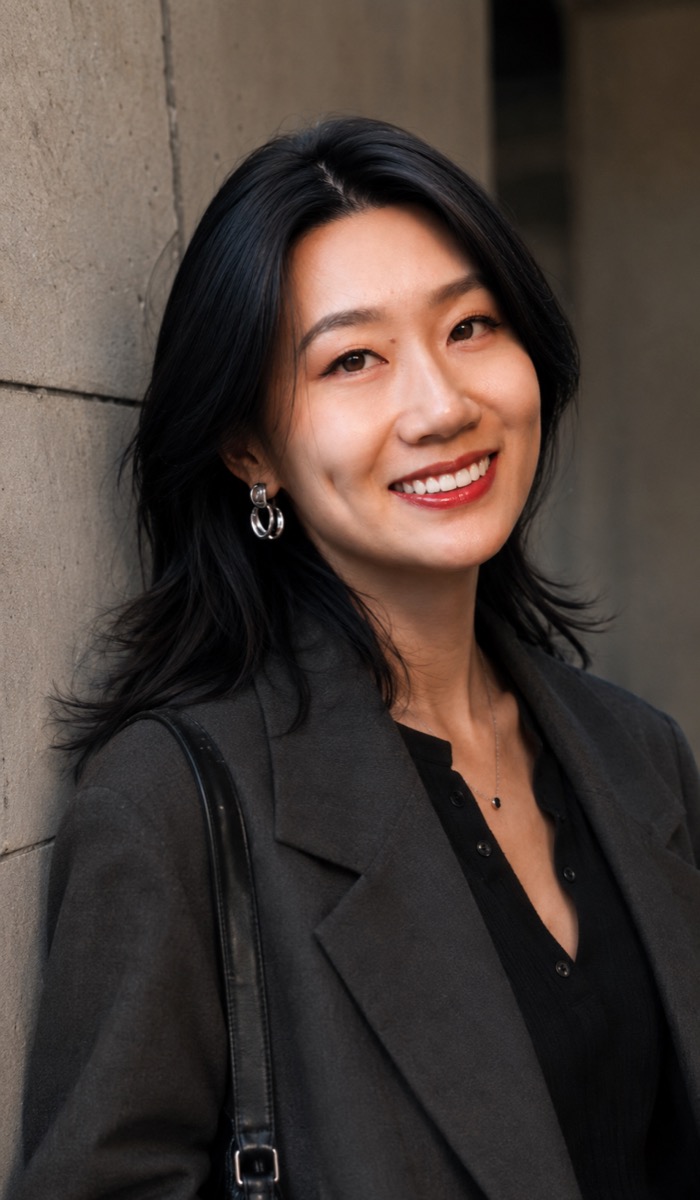
Sarah Wang, CEO, BioKite Labs
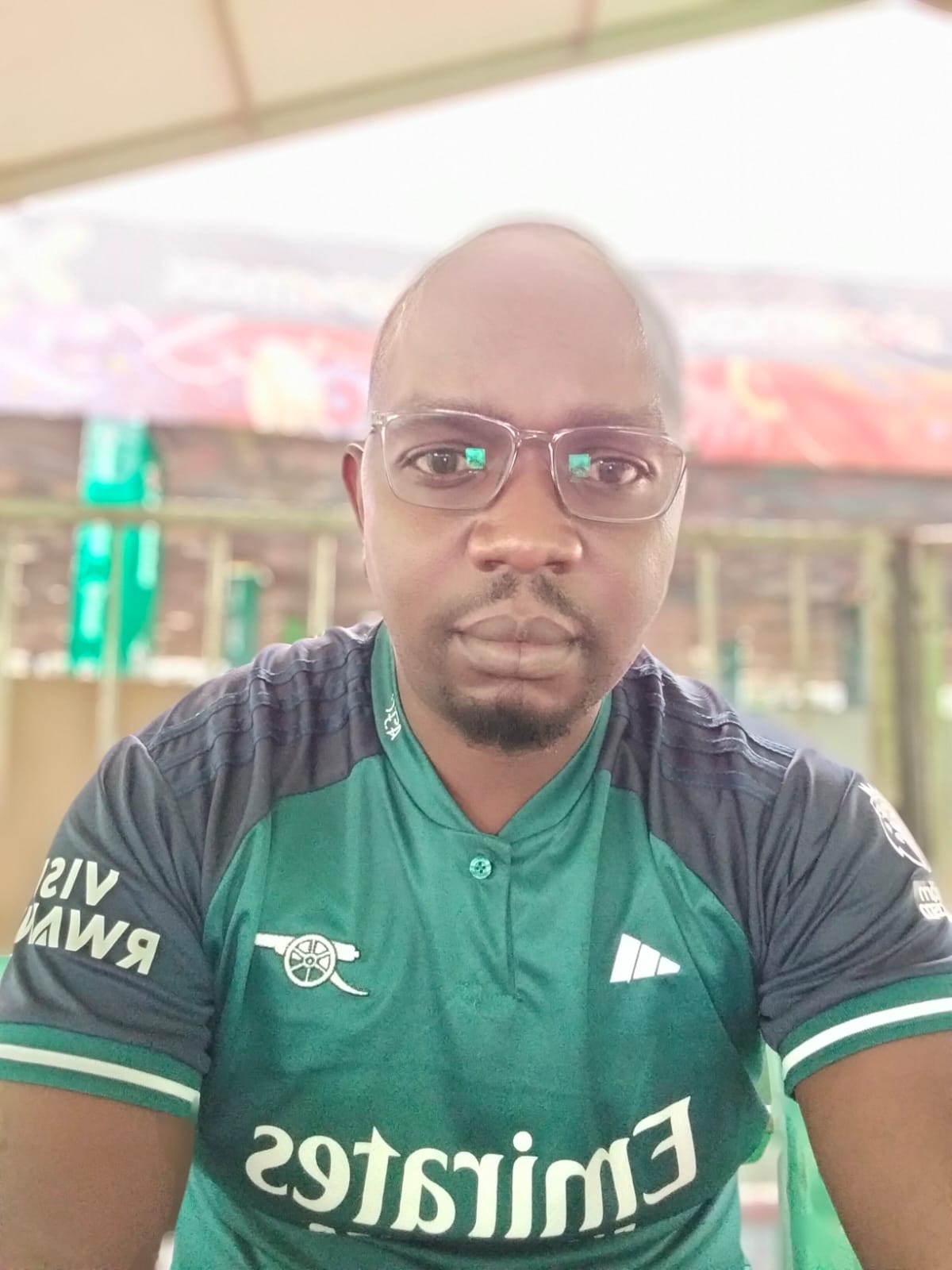
The Co-Founder

My Journey to Rural Health Practice

Some of my earliest memories begin on a red-dirt road. Each week, my small hand inside a bigger one, I walked to our neighborhood community health center in rural Ghana to visit a close relative who was receiving palliative care for end-stage disease. It might sound strange to call those visits some of my favorite childhood memories. But they were. They planted something quiet and stubborn in me: the understanding that medicine isn't only about treating disease. It's about showing up for people when the systems built to help them fail.

She died, as too many die in rural Africa. Not from a lack of medical knowledge, but from a lack of the infrastructure that turns knowledge into rescue. That loss, woven together with a deep love for science, set me on the path to medicine.

Growing up in a disadvantaged community in West Africa gave me a front-row seat to the health struggles of my neighbors. I knew early, before I was old enough to fully understand what it meant, that my education wasn't only mine. It was a debt. A responsibility to communities like mine that rarely see doctors who understand what it's like to live there.

During medical school in Europe, I spent my days in immaculate lecture halls and laboratories. But I never let my hands forget the shape of a clinic that runs on prayer. I volunteered with public health screening programs for homeless populations and undocumented African immigrants: the people forgotten twice. I became a vocal advocate for health equity, and through international NGOs, I joined annual rural medical missions across South Sudan, South Africa, Zimbabwe, Ghana, and Malawi. When graduation came, the choice was not a choice. Home. The neighborhoods that raised me. The clinics that ask impossible things of impossible heroes.

Working in rural district hospitals in Ghana opened my eyes to how fragile healthcare becomes when basic infrastructure fails. The prevalence of preventable disease was staggering, made worse by the double burden of communicable and lifestyle-related conditions, in a system held together by determination more than resources.

One night stands out.

It was 2 AM on a busy Wednesday in the obstetrics clinic where I was working. It was the kind of African night where the air does not move and your scrubs are already stuck to your back before the next patient arrives. A young woman came in with prolonged, obstructed labor. She needed vacuum extraction. Possibly an emergency cesarean. Possibly a referral.

Then the power went out.

The clinic's solar system had been dead for months. The generator wouldn't start. Fuel pump failure. In an instant, the most consequential moment of this woman's life was happening in near-total darkness. No functional suction. No proper lighting. Just the trembling beams of phone torches and one dying LED lantern, throwing long shadows across the delivery room.

My team and I tried to manage a life-threatening delivery in the dark, improvising with inadequate tools, knowing that every minute increased the risk to both mother and baby. We loaded her into an ambulance and sent her 45 kilometers through the night to the district hospital.

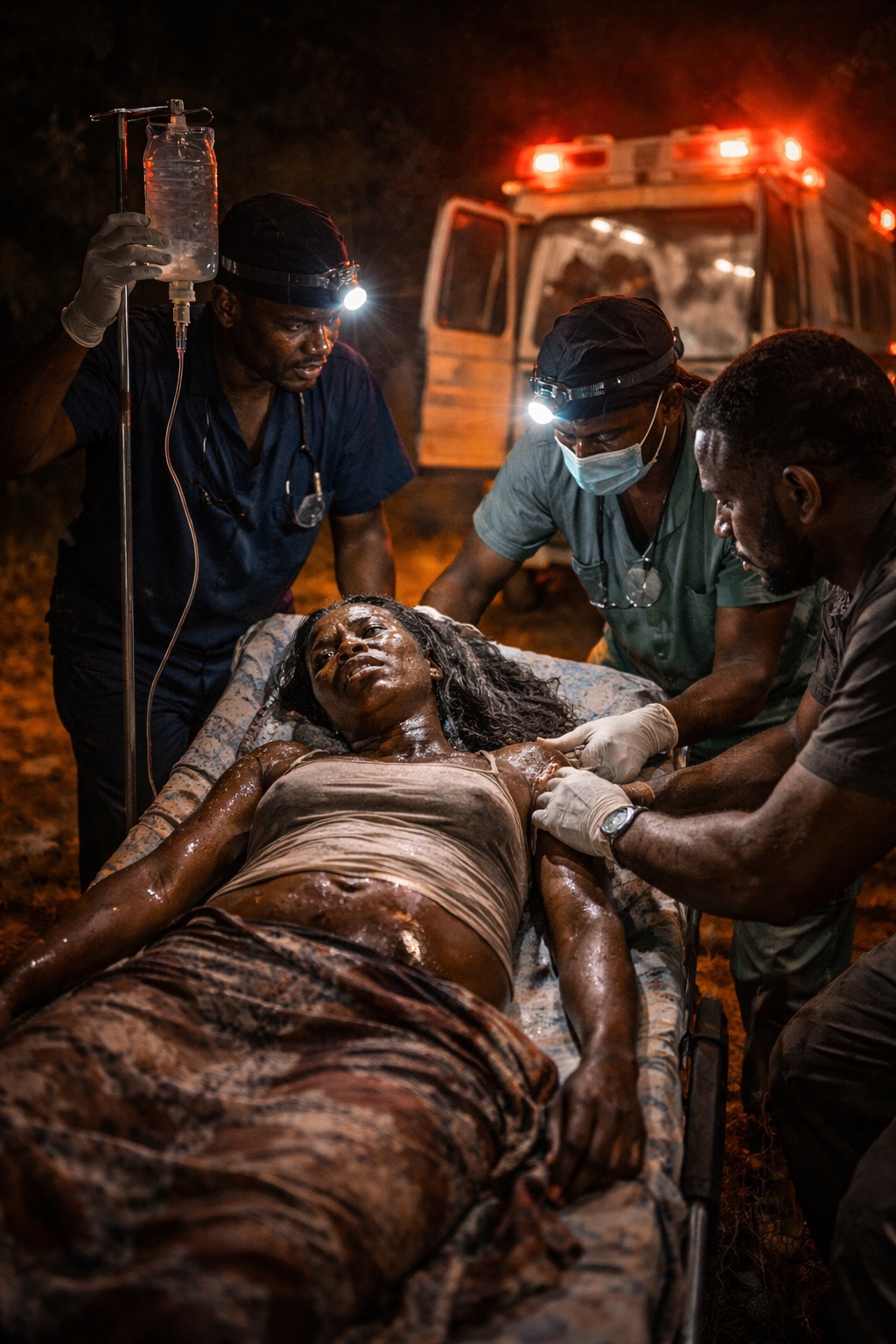
A medical team works to stabilize a woman on a stretcher beside a rural ambulance at night, lit only by their headlamps

Mother and baby survived.

But survival is not victory. It was a preventable escalation, driven entirely by infrastructure failure. The emotional toll on my team was devastating. We felt like we had failed her, even though the failure wasn't ours. It was the system's. It was every donor who left equipment without a maintenance plan. It was every meeting that called solar “sustainable” without funding what makes it sustainable. It was the silence between a fuel pump breaking and an ambulance arriving in the dark.

That night clarified something I have carried ever since. Clinical skill alone cannot overcome systemic infrastructure collapse. You can be the most capable physician in the world, but if the lights go out and the backup fails, you are reduced to improvisation and prayer. Patients in rural areas deserve far more than that.

Why BioKite

That experience, and dozens like it, taught me that solving healthcare in underserved communities requires more than clinical excellence. It requires building the infrastructure that makes care possible in the first place. At BioKite, I work to ensure that the solutions we design reflect what actually happens in rural clinics when everything goes wrong at once. The only thing left in the room is the people inside it. Because the most vulnerable patients on this planet should not have their survival depend on whether a generator starts, or whether a donated solar system still has working batteries.

Medicine brought me to these communities. The infrastructure failures keep bringing me back to the drawing board, determined, day after day, to fix what should never have been broken in the first place.

A doctor in the dark is alone. Build the light.

Mike Tuffour Amirikah, MD, EMBA, MPH. Co-Founder & Vice President, BioKite Labs
Without reliable power

She didn't come home.

  • × Oxygen concentrators go silent. Mid-delivery.
  • × Vaccines spoil. In the dark.
  • × Surgical lights fail. While someone is on the table.
  • × No backup. No one accountable.
With BioKite Clinic Ready Mode

She grew up remembering her smile.

  • Life-saving equipment stays on.
  • Every vaccine protected.
  • A certified officer on site, trained and accountable.
  • The community owns its power. And its future.
Clinic Ready Mode

Teach the child to fish. Feed the village forever.

Three pillars.
One standard.

Critical equipment stays on. Everything else asks permission.

Pillar 1 · Power

Backup Battery System (LiFePO4)

The clinic owns it. Not rented. Not subscribed. Owned.
When the grid goes dark, oxygen concentrators, surgical lights, and delivery equipment are designed to stay on.

  • Critical equipment stays on. Everything else asks permission.
  • No vendor lock-in. Serviceable by the community, for the community.
Pillar 2 · Monitoring

Cold Chain Monitor

Vaccines meant for children should never spoil in the dark.
Continuous temperature and voltage tracking helps make sure they don't.

  • Every dose logged. Every outage timestamped. Works entirely offline.
  • When the auditor comes, the proof is ready.
Pillar 3 · People

Certified Energy Officer

Not an outside contractor. Someone who knows the patients by name.
Trained. Certified. Taught entrepreneurship. Proud to keep their clinic running.

  • Weekly scorecards. Monthly reports. A person accountable when it matters.
  • Entrepreneurship training so engineers build lasting livelihoods, not just skills.
  • The community doesn't just use the power. They own it.
Engineer Certification

Proud Certified Facility
Energy Officer.

Someone from the community. Trained, assessed, deployed, accountable.
Not an outsider. A local owner.

1

Train

Learn to manage power, prioritize what keeps people alive, and build a business around it.

2

Certify

Prove it. Hands-on. Battery systems, cold chain, emergency response.

3

Deploy

Take ownership. The clinic's power system is now theirs to run.

4

Report

Show the results. Weekly scorecards. Monthly reports. Real data, no gaps.

5

Recertify

Stay sharp. Every year. Because the patients don't stop coming.

Clinical Readiness Protocol

What "clinic ready"
actually means.

A verifiable standard. Not a hope. Pass or fail. Every facility, every week.

Required
01

Always-On Power

Oxygen concentrators. Surgical lights. Delivery room equipment.
The things that keep people alive are designed to stay on.

Required
02

Cold Chain Integrity

Every degree logged. Every outage recorded.
No gaps. No guesswork. Proof that the vaccines were safe.

Required
03

Certified Officer On Site

Not a contractor. Someone who knows the staff by name.
Who takes it personally when the power goes out.

Required
04

Verified Compliance

Not a promise. Proof.
Weekly scorecards. Monthly reports. What happened, and what was done about it.

First Deployment

Kenya.

Our first deployment.
Working with county health authorities. Within the systems already in place, not the ones we wish existed.

County partnerships
Community officers
Zero subscriptions
Facility-owned assets
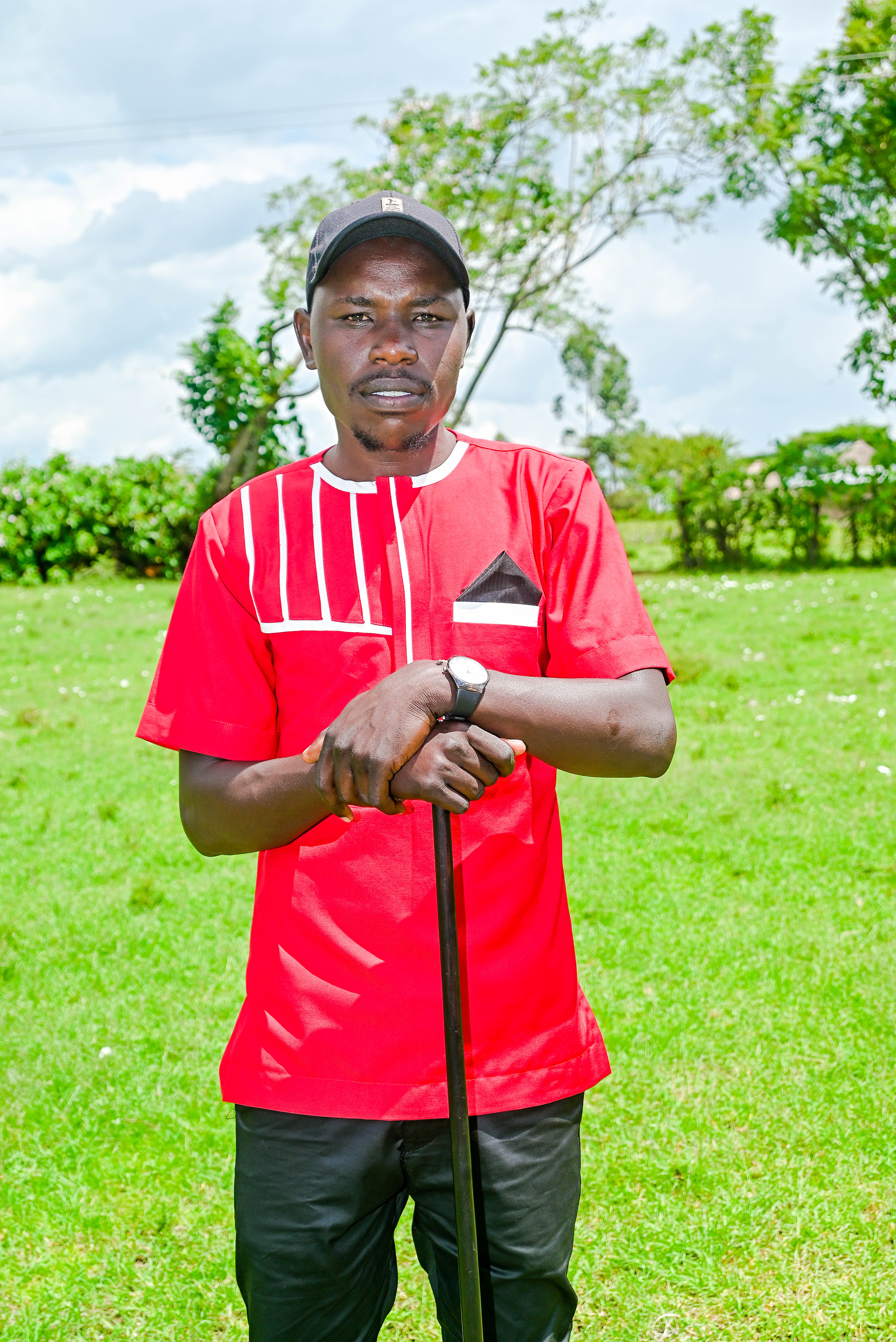
A NuruLoop rider in a BioKite Labs cap and shirt rides a motorcycle carrying a backup battery across the Kenyan savanna, with a giraffe in the background
The goal is not charity.
It is sovereignty.

When a clinic controls its own power, it controls its ability to care for every person who walks through its doors.

One of the biggest challenges we've seen is solar infrastructure falling into disrepair because maintenance costs weren't properly funded.

Dr. Neil Buddy Shah

CEO, Clinton Health Access Initiative · February 2025

Wildest Dreams

What we see
when we close our eyes.

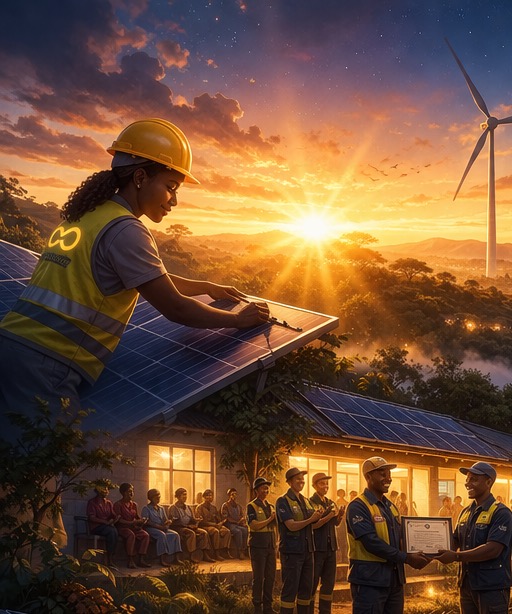
Certified energy officer working on solar panels at sunset
NuruGrid

Built for 10,000 rural clinics. And the 75 million people who have nowhere else to go. The lights stay on.

20,000 certified energy officers. Deployed from their own communities across 31 regional hubs. A profession that didn't exist before.

Africa at sunset with glowing network connecting rural clinics
NuruLoop

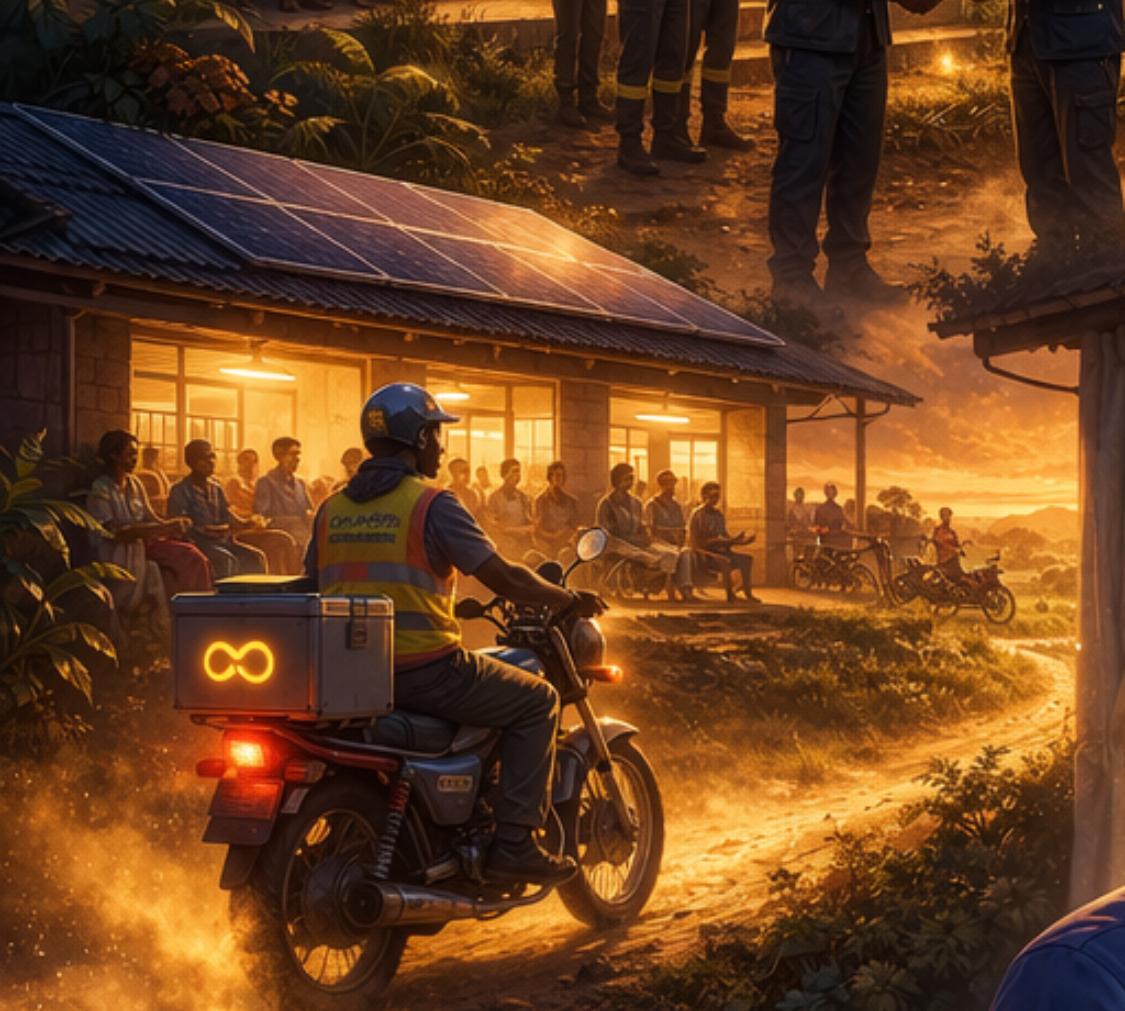
Riders earning living wages across Kenya, Uganda, Tanzania, Nigeria. A job the world didn't have a name for yet.

No dead battery reaches a landfill before it powers a rural clinic first. Corporate teams budget this like carbon offsets. Except people don't die from carbon offsets.

NuruLoop rider delivering battery to a solar-powered rural clinic at sunset
The Delivery

And the babies.
Born in lit rooms. With oxygen. With a nurse whose hands are free.
Not by candlelight because the generator died.

A 2AM power failure is a solvable problem. Not a death sentence.

The Team

The people behind
the mission.

Harvard, MIT, the United Nations, and hands-on field experience across four continents—joined by eight young engineers from Narok County building the future with their own hands. United by one belief: reliable power is a right, not a privilege.

Sarah Wang

Sarah Wang, MPH in

Co-Founder & CEO
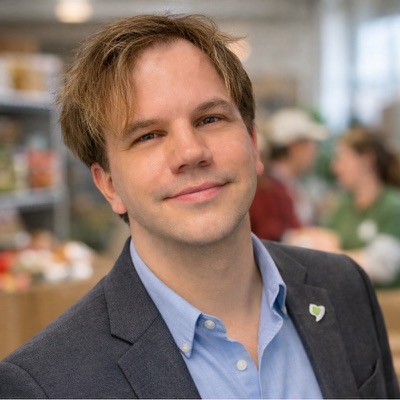
Doing this full-time. Harvard MPH (Coca-Cola Gold Scholar, top 1%). MIT AI Certificate. 10+ years leading global health research and policy advocacy. Managed a $690K budget, organized 30,000 people, and secured a corporate pledge to transform 7,200 restaurants. Led 20-person teams across 3 countries.
Maison Ole Kipila

Maison Ole Kipila in

Co-Founder & Chief of Partnerships
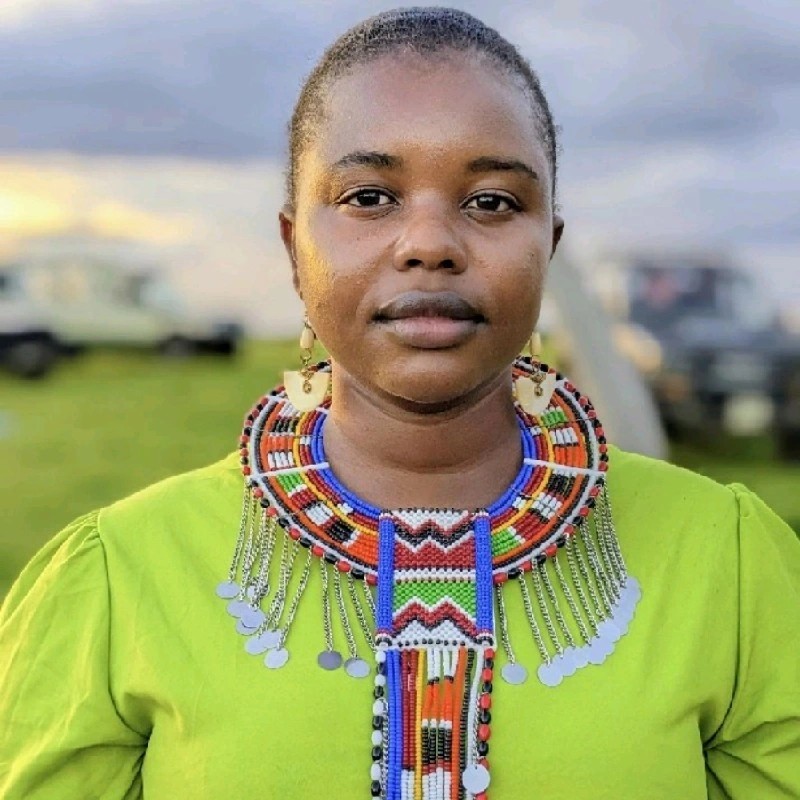
8+ years as an established Maasai community leader. Government relationships across Narok County. UN Indigenous Peoples Caucus (COP30). The reason BioKite has community trust in Kenya.
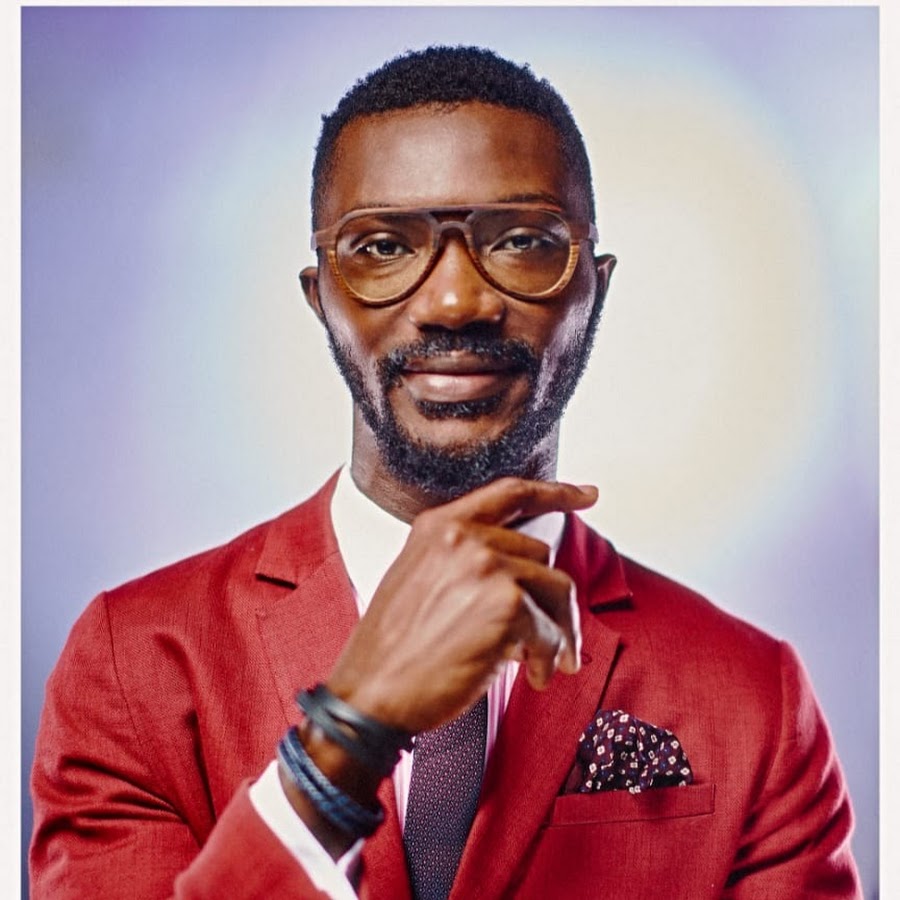
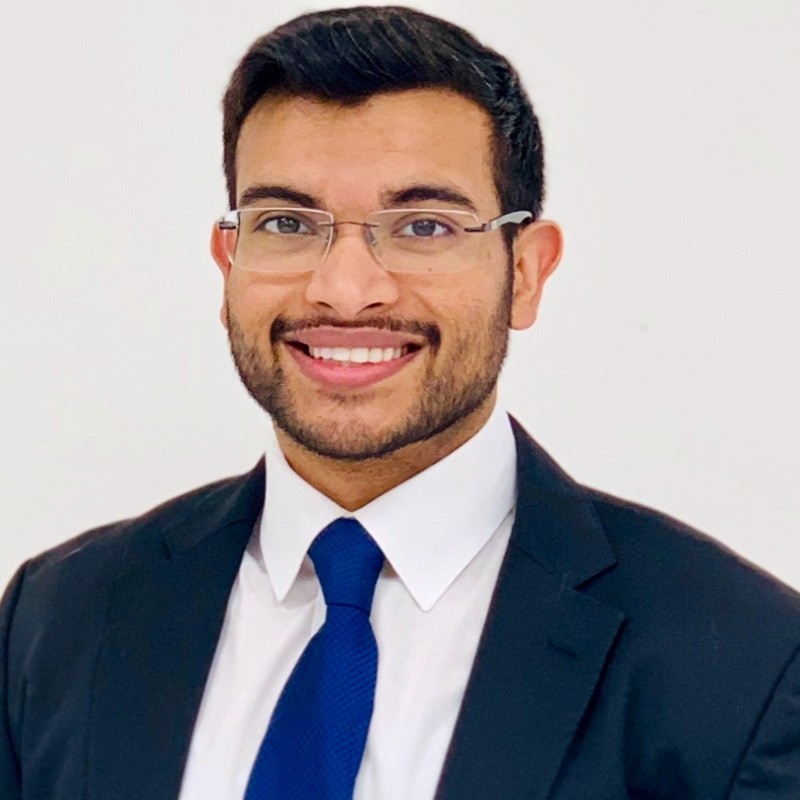
Mike Tuffour Amirikah

Mike Tuffour Amirikah, MD, EMBA, MPH in

Co-Founder & Vice President
Harvard MPH. Physician with 10+ years of rural clinical experience in Africa. The clinical voice in product design, ensuring everything we build works where it matters most.
Byron Aho

Byron Aho in

Advisor
25+ years in infrastructure: electrical installation, power-grid deployment, and site-readiness for clinic solar+battery systems.
Brian H. Potts

Brian H. Potts, JD, LLM in

Advisor
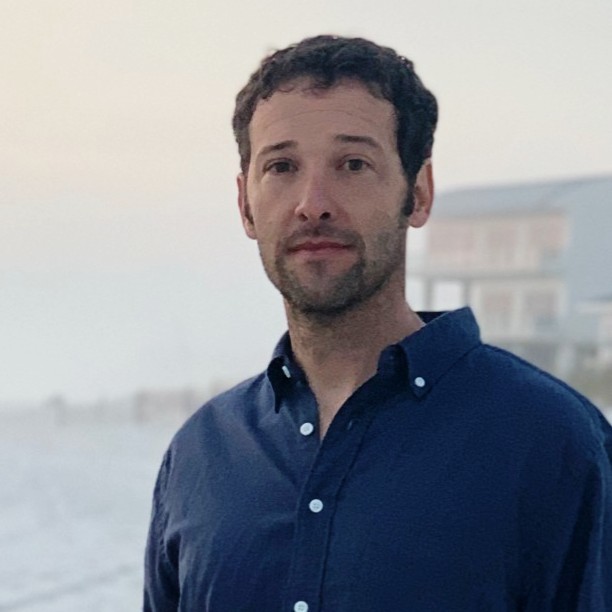
25+ years in nonprofit strategy, business, and energy markets law. UC Berkeley Law. Billions in energy and infrastructure projects developed.
Tony Medrano

Tony Medrano, JD, MBA in

Advisor
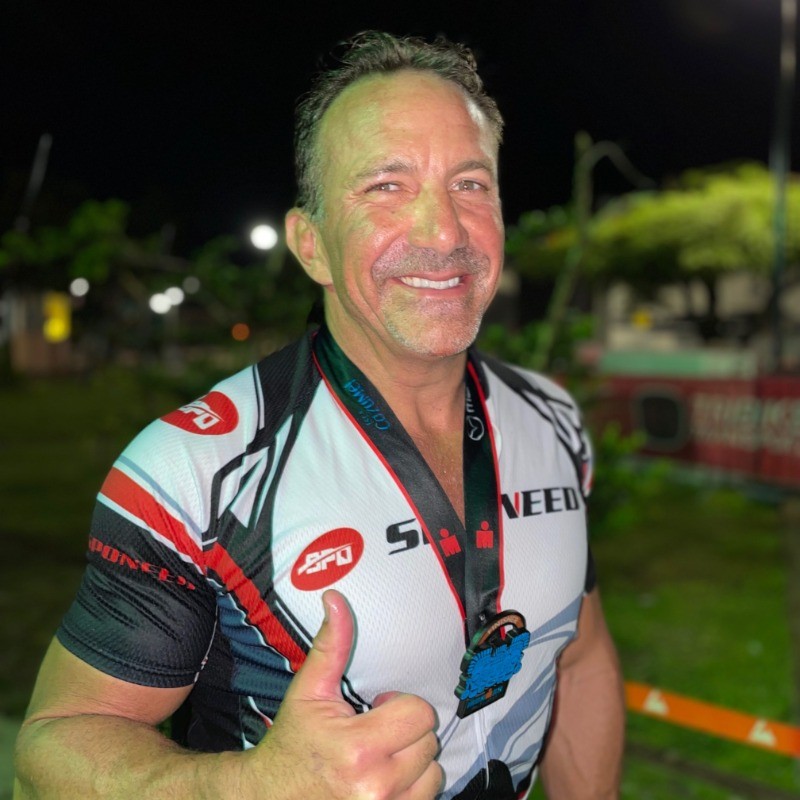
25+ years in nonprofit, law, and business strategy. 3× startup CEO with 2 exits. Stanford JD/MBA. Former VP at Cue Health ($500M ARR).
Tejasvi Sharma

Tejasvi Sharma, PhD, MPA in

Advisor
Harvard MPA. PhD in Mechanical Engineering (University of Iowa). Assistant Professor in Sustainability & Regenerative Living. Expert in biomass gasification, biochar, and renewable energy systems. Built solar cookers in Cameroon. Bridges academia and field deployment.

A Special Thank You

BioKite would not exist without the people who believed in this mission before anyone else did. Reward Muzerengwa and Mary Mugambi co-founded this organization alongside Sarah and poured their hearts into its earliest days. Their vision, generosity, and faith in what BioKite could become helped lay the foundation for everything you see here. We carry their spirit forward with deep gratitude.

The first cohort. They aren't waiting for someone else to fix the power. They're learning to build the batteries themselves, maintain them, and keep clinics lit so mothers come home.

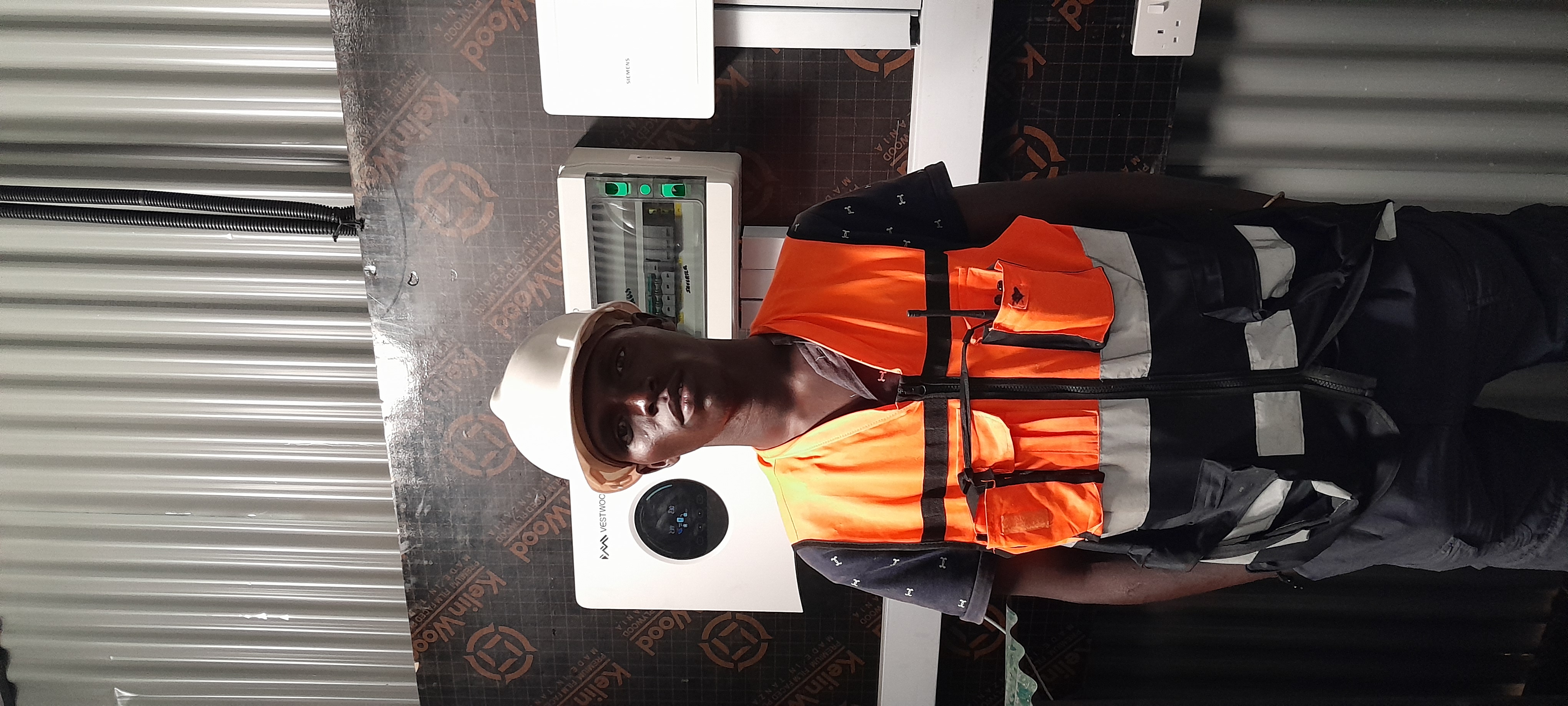
Paul Maina

Paul Maina

Lead Engineer Trainer
Background in electrical works and renewable energy systems. “I joined BioKite because I believe in the transformative power of sustainable energy in driving economic growth and improving quality of life.” Delivers solutions that are both practical and impactful—expanding access to clean energy, reducing dependency on unreliable power sources, and supporting long-term community development. Aligns professional skill with a broader vision of sustainability, innovation, and service to society.
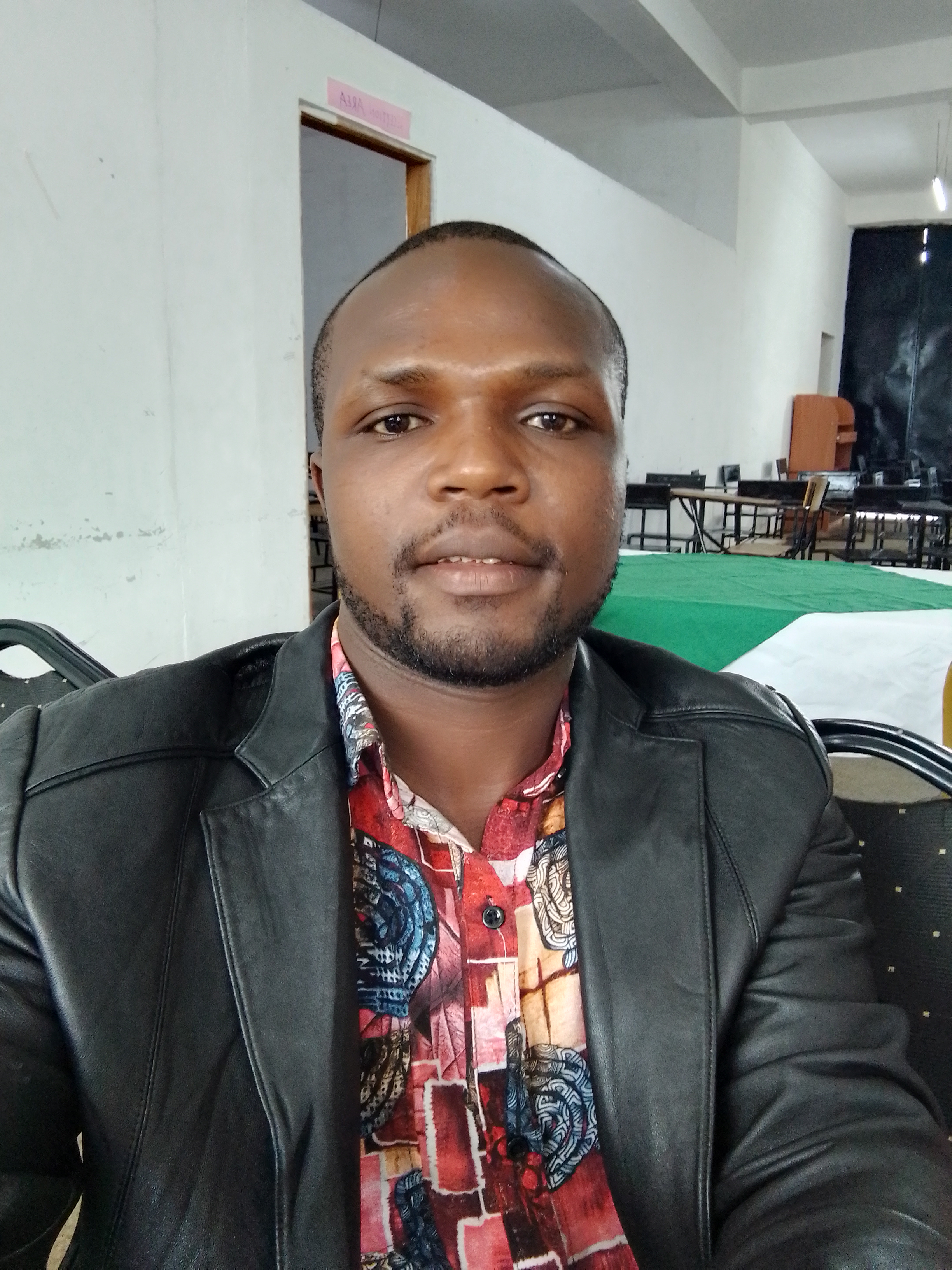
Duncan Kayiok Neboo

Duncan Kayiok Neboo

Youth Leadership Chair & BioKite Engineer Trainee
Electrical Engineering graduate, Moi University. Electrical systems, power, and electronics. Created and manages the BioKite Labs Facebook page. Encourages young people across Narok County to take engineering seriously and pursue technical skills. “I believe engineering should save lives, not just earn certificates. In Narok County, clinics lose power over 200 times a year. I remember a night when a relative needed emergency care at a local dispensary. The power went out. The nurse used a phone torch. That experience stayed with me. When I heard about BioKite, I knew this was where I belong.”
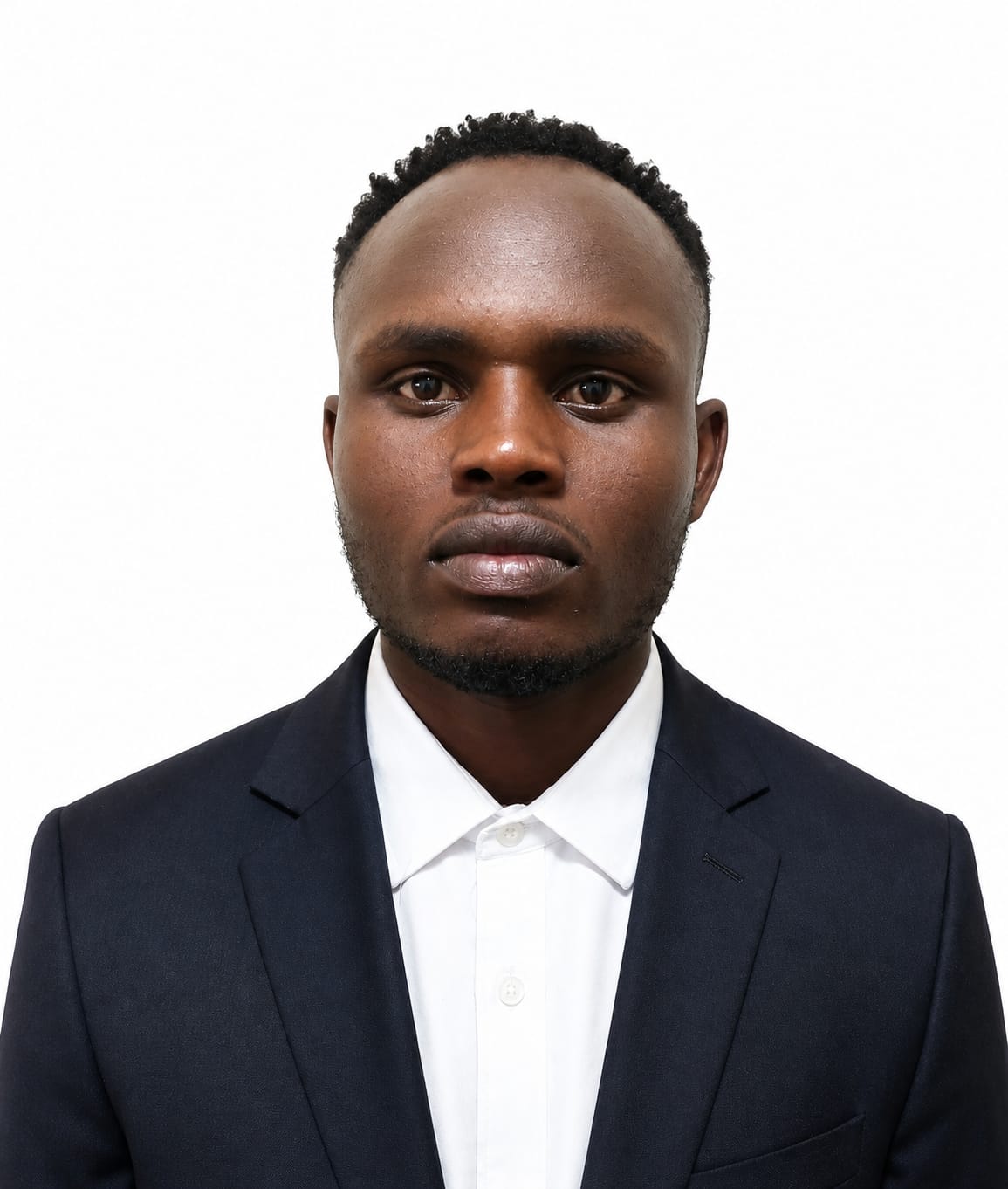
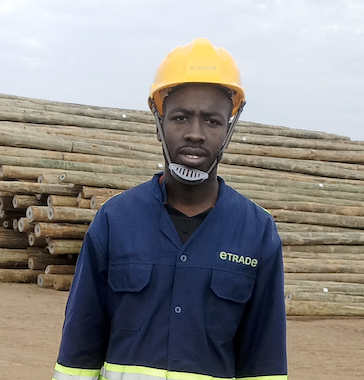
Griffine Lepore

Griffine Lepore

BioKite Engineer Trainee
Electrical engineering. Hands-on experience with power equipment, a curiosity to explore, and strong communication skills. Driven by the importance of academics and the need to power every home. Here to be part of the vision and reinforce it—saving lives and making a difference.
Bryan Kisantu

Bryan Kisantu

Youth Leadership Officer
Electrical Engineering graduate, Murang’a University of Technology. Community service leader and green energy advocate. Drawn to BioKite’s life-saving impact: enabling rural clinics to survive power outages by keeping oxygen compressors and vaccine refrigerators running—aiming to save thousands of mothers and children.
Emmanuel Lekishon

Emmanuel Lekishon

BioKite Engineer Trainee
Electrical and electronic engineering, power option. Focused on awareness, social cohesion, decision-making, and leadership. Motivated by learning, personal challenge, expanding his network, and solving problems. Ready to support team goals, take responsibility, and contribute ideas that improve outcomes.
Isaack Nkoompa Kariankei

Isaack Nkoompa Kariankei

Youth Leadership Officer
Electrical engineering and leadership. Solves problems in solar installation and electrical installation. Interested in learning new things, building his career, and coming up with ideas that solve community problems. Dedicated to LiFePO4 battery research and available whenever the team needs him.
Alex Kayioni

Alex Kayioni

BioKite Engineer Trainee
Pursuing Electrical Engineering: circuit fundamentals, practical troubleshooting, and hands-on training. Helps his community improve access to basic electrical knowledge and adopt safer power practices. “I’ve seen how power interruptions can affect essential services in my community. BioKite aligns with my interest in renewable energy, battery systems, and hands-on fieldwork.” Practical, reliable, and ready to contribute in installation, maintenance, and problem-solving roles.
Daniel Kadipo Rakwa

Daniel Kadipo Rakwa

Youth Leadership Officer
Bachelor’s degree in Electrical and Electronics Engineering. Specializes in electrical design, soldering, and installation with proper equipment sizing. Performs safe electrical installations and ensures reliable power solutions. Joined BioKite because its core objectives align with his profession—and because he wants to learn new skills that facilitate his professional transition.
Gideon Leahan Seneneng

Gideon Leahan Seneneng

Youth Leadership Officer
Electrical and electronic engineer, power option. Solar technician and artist. Trains youth in first aid for electrical emergencies. Builds and maintains batteries. “As a solar technician, I was glad to find the right partner to bring light to the community where darkness and power outages are key factors of deaths.”

Batteries for Mothers

The lights stay on. Mothers go home.

Partner With Us

The cost of one conventional battery buys 15 BioKite batteries, powers 15 clinics, and reaches up to 150,000 patients. Three ways to get involved.

The Full Ask: $75,000

15 engineers. 15 batteries. Up to 15 clinics. Up to 150,000 patients. 1 published study.

1 conventional battery → 15 engineers trained + 15 batteries + 15 clinics + <150,000 patients. Tax-deductible (501(c)(3) in process). Split-pay available: $25,000/year over three years.

Start the Conversation

Current Partnerships

Maasai Mara University
Maasai Mara Youth Council
Elongko Africa
Africa Community of Planetary Partners for Health and Environment (ACOPPHE)

So she comes home.
So she gets to grow up.

Engineer, funder, health authority, or organization: there is a special role for you to join our impact and reach our vision.

Get in Touch LinkedIn
Donate Now