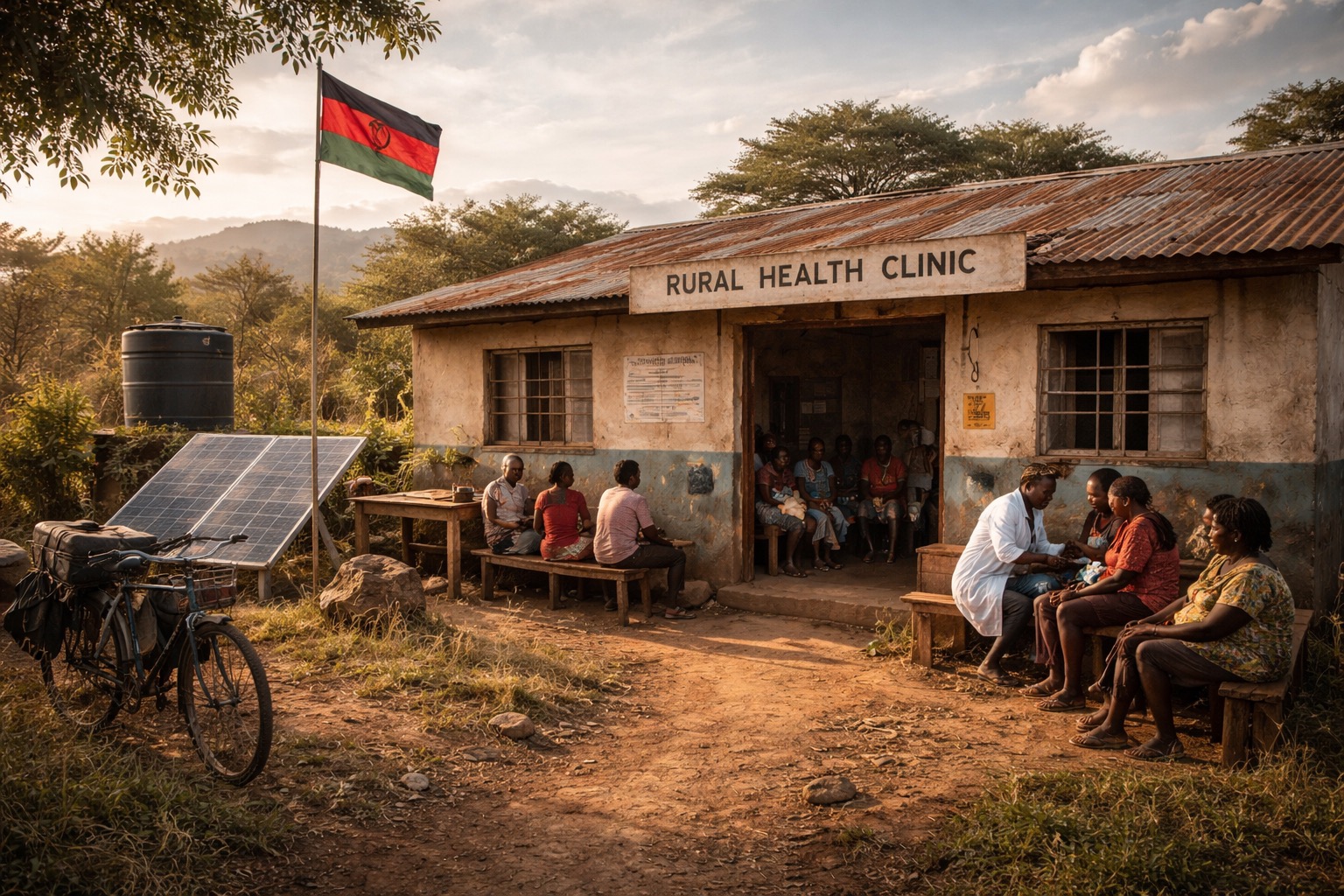
Picture a mother in a small clinic in rural Kenya. She is in the middle of giving birth. Then the power goes out.
No lights. No machines to monitor the baby. No way to sterilize tools. The nurse pulls out her phone and uses the flashlight. That is the reality for hundreds of thousands of women in Narok County, Kenya - a place the size of Connecticut, where most clinics have no backup power at all.
When power fails during childbirth, outcomes worsen rapidly. Fetal monitors go dark, oxygen concentrators shut off, and surgical equipment stops working. These are preventable deaths caused by unreliable electricity.
This is not a rare event. A woman's lifetime risk of pregnancy-related death in sub-Saharan Africa is 1 in 55, approximately 250 times higher than in Western Europe. Sub-Saharan Africa accounts for 85% of the world's unelectrified population, with 451 million rural residents still without electricity. A randomized study in Uganda found that reliable electricity averted an estimated 61% of maternal deaths. The power grid in Narok County is unreliable. Outages happen every week, sometimes lasting hours. These deaths are preventable with backup power.
Why the Usual Fixes Do Not Work
You might think: just send solar panels. And many organizations have. But here is the problem - 87% of donor-funded solar systems fail within five years because ongoing maintenance costs were never budgeted. When equipment breaks, there is nobody nearby who knows how to repair it. The parts are expensive and hard to get. So the panels sit on rooftops, useless, collecting dust.
Clinics in Narok County cannot afford to buy replacements. They barely have enough budget for bandages and medicine. They need a solution that someone local can actually keep running.
What We Do Differently
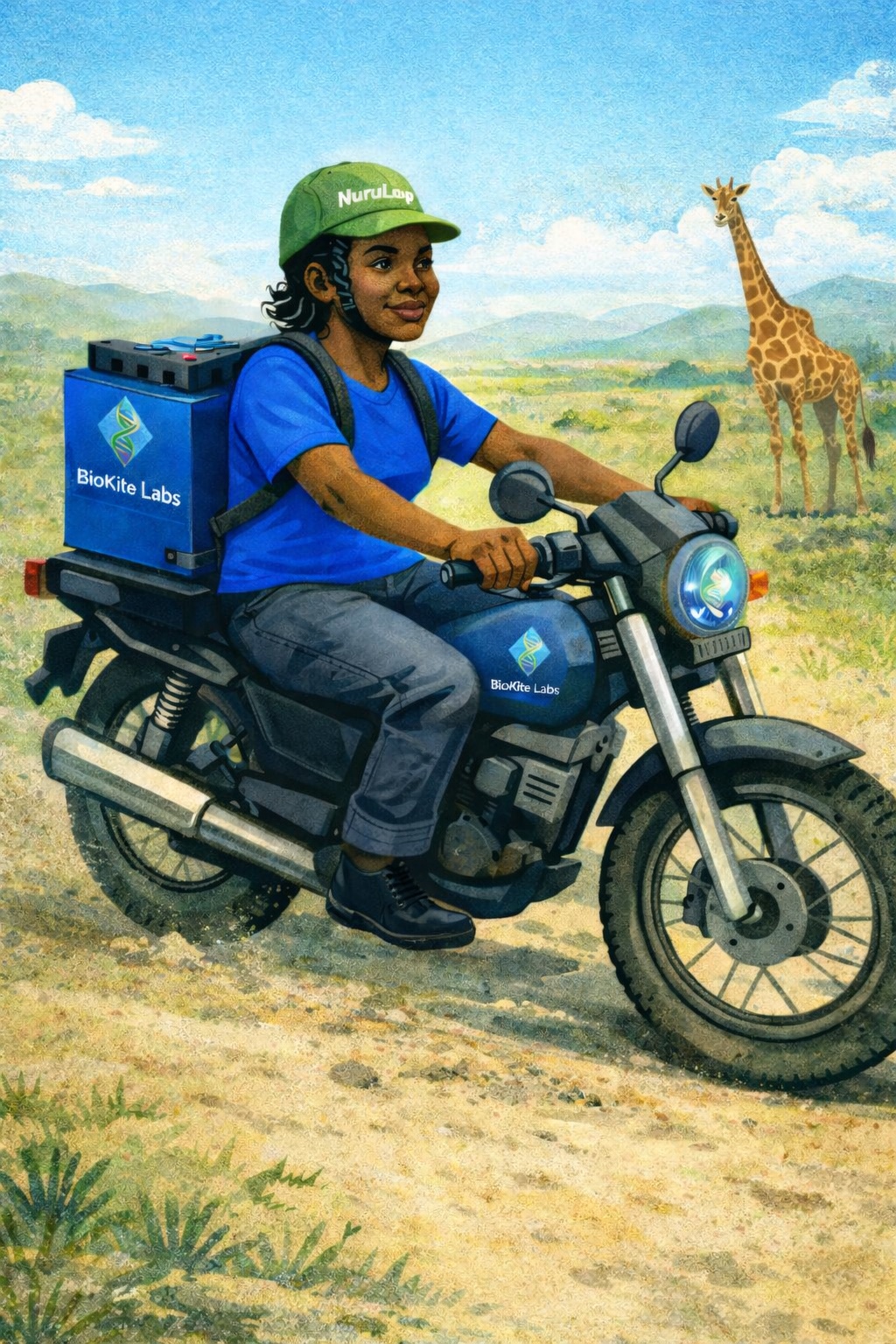
BioKite Labs does not just drop off equipment and leave. We recruit young people from the local community and train them through a 160-hour certification program to build backup batteries from retired electric vehicle battery cells sourced from the WEEE Centre in Nairobi. These LiFePO4 batteries are chosen for their safety, 7-year lifespan, and tolerance for irregular solar charging in off-grid environments.
The key difference? These young engineers own the process. They build the batteries. They install them. And when something needs fixing five years from now, they are right there in the community to take care of it. No waiting for a repair crew from the capital. No expensive spare parts from overseas.
Each battery system lasts about seven years. It keeps a clinic running through power outages so that lights stay on during deliveries, refrigerators keep vaccines and medicines cold, and monitors continue tracking vital signs.
What This Looks Like in Numbers
Our pilot program is focused and lean. Here is what we are building:
That works out to about $5,000 per clinic. For the cost of a used car, an entire community gets reliable power for the place where their children are born.
How You Can Help
We have set up three ways to partner with us, depending on what feels right for you or your organization. Every dollar goes directly to batteries, training, and keeping the lights on in clinics.
If those levels are beyond your budget, any amount helps. $50 covers the wiring for one battery. Every dollar goes directly to materials, training, and clinics.
Common Questions
Yes. Donations to BioKite Labs are tax-deductible. We are filing for 501(c)(3) tax-exempt status before February 2027. Donations are processed securely via Stripe.
About 60% goes to battery parts and solar panels. About 25% pays for training and salaries for our local engineers. The remaining 15% covers transport, tools, and keeping things running.
Yes. We welcome partners to visit Narok County and see the clinics firsthand. Email us at biokitelabs@gmail.com and we will set it up.
Most projects install equipment and leave. We train local people to build and repair the systems themselves. That means when something breaks, there is already someone nearby who knows how to fix it. No outside help needed.
We publish quarterly updates with photos, data, and progress reports from each clinic. Our team is on the ground in Narok County every day. You can also read our full partnership proposal with detailed budgets and timelines.