Your donation keeps the lights on when a mother is giving birth.

Right now, clinics in rural Kenya lose power during childbirth. We train local engineers to build backup batteries so the equipment stays on and mothers and babies survive.

The Duracell for Rural Health Clinics

15
Engineers in Training
24
Local Stakeholders
15
Clinics First Wave
150K
Lives in Catchment
Scroll to explore
Live in Narok County
NuruGrid · Pilot co-designed with 24 local stakeholders: 15 engineers, 12 community ambassadors, and 5 community leaders
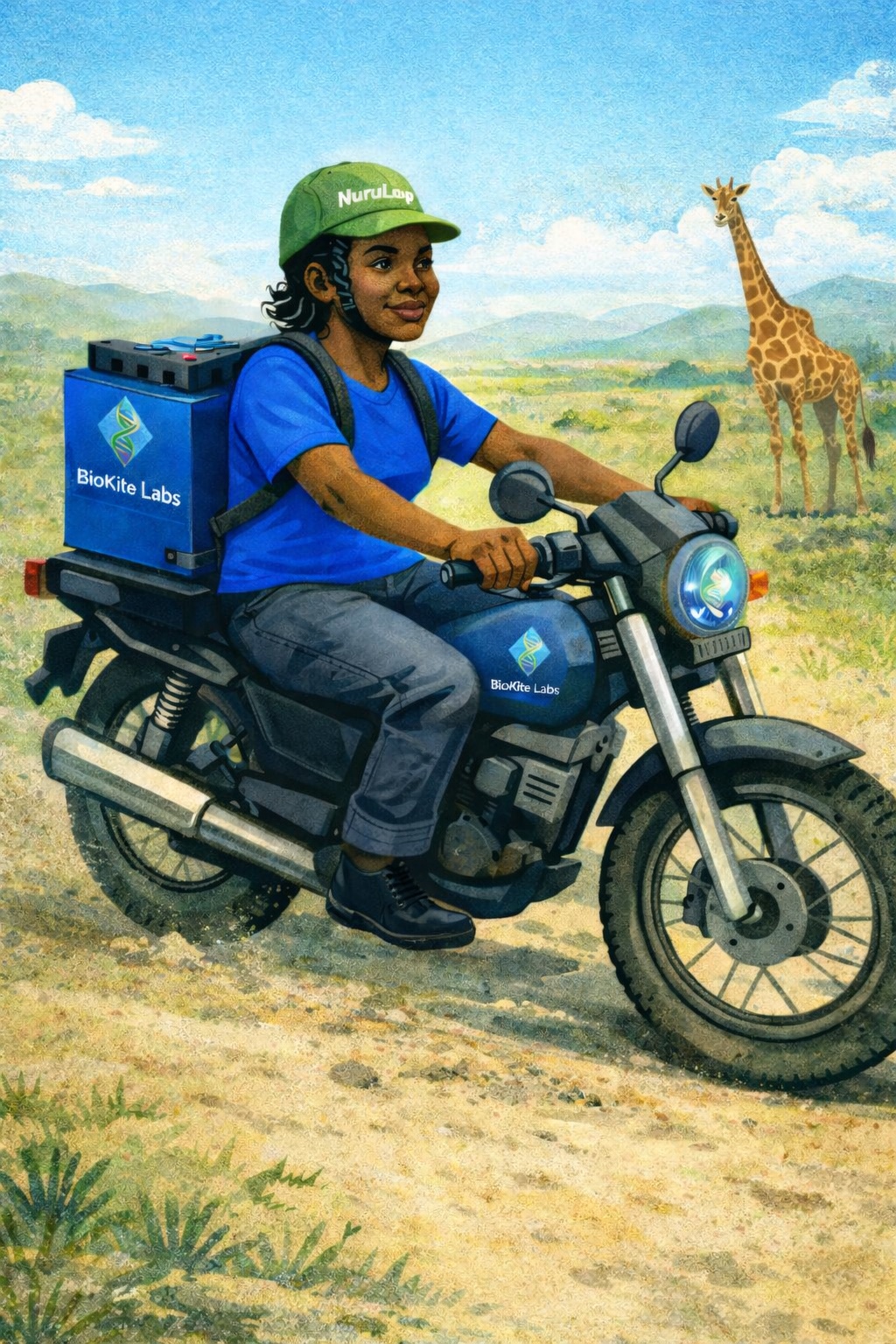
NuruLoop · Last-mile battery delivery to remote health posts via Narok County's existing motorbike network.

Projected cost of $350 to $525 per life-year saved in the pilot phase, with potential to reach below $105 per DALY at scale. WHO benchmark: ~$2,200.

Our Partners

Maasai Mara University Maasai Mara Youth Council Elongko Africa ACOPPHE Harvard T.H. Chan School of Public Health Harvard Kennedy School Stanford University Stanford GSB UC Berkeley MIT
Community-Owned
Zero Subscriptions
160-hr Certification
Weekly Scorecards
<$105/DALY
Aligned with SDG 3 Health SDG 7 Energy SDG 11 Sustainable Cities SDG 13 Climate Action | GRI 305 & GRI 413 | <$105/DALY (WHO: $2,200)

Three steps. One mission.

Every dollar follows a documented, repeatable process from donation to powered clinic.

Step 1

You Give

Your donation enters a transparent budget. Every dollar is accounted for, published with line-item detail. No overhead mystery.

Step 2

Engineers Build

Local youth engineers complete 160 hours of certification, build batteries from recovered materials, and deploy them to clinics. Weekly scorecards track every system.

Step 3

Mothers Live

Oxygen concentrators, vaccine refrigerators, and surgical lights stay powered through outages. You receive quarterly impact reports showing exactly what your donation protected.

Investor Snapshot

<$105
Per Life-Year Saved
WHO benchmark: $2,200
100K
Clinics Without
Reliable Power
$75K
Funds Full Pilot
15 Engineers, 15 Clinics
7 yr
Battery Lifespan
Community-Owned
Full investment case →

Our three execution priorities:

We publish what we plan to do, then publish what happened. Every quarter, three priorities. Nothing else.

Priority 1

Certify 15 Engineers

Complete 160-hour field energy officer certification with exam pass rate above 80%. Every engineer owns and maintains systems for their community.

Pre-Pilot
Priority 2

Deploy to 3 Clinics

Install and activate battery systems at Olosho-Oibor and two additional dispensaries. Establish weekly scorecard reporting from day one.

Pre-Pilot
Priority 3

Publish Before-and-After Data

Collect 12 months of clinic uptime data, write the peer-reviewed study, and open-source the replication playbook for other counties.

Upcoming

Every hire, every dollar, every week ladders up to these three priorities. Quarterly updates delivered to all stakeholders. Nothing gets funded that doesn't serve the mission.

For Donors & Investors

Get the Quarterly Field Report

Metrics, milestones, and stories from Narok County. The same update our board receives.

One email per quarter. No spam. Unsubscribe anytime.

The Mission

Saving the Mother and Her Baby.

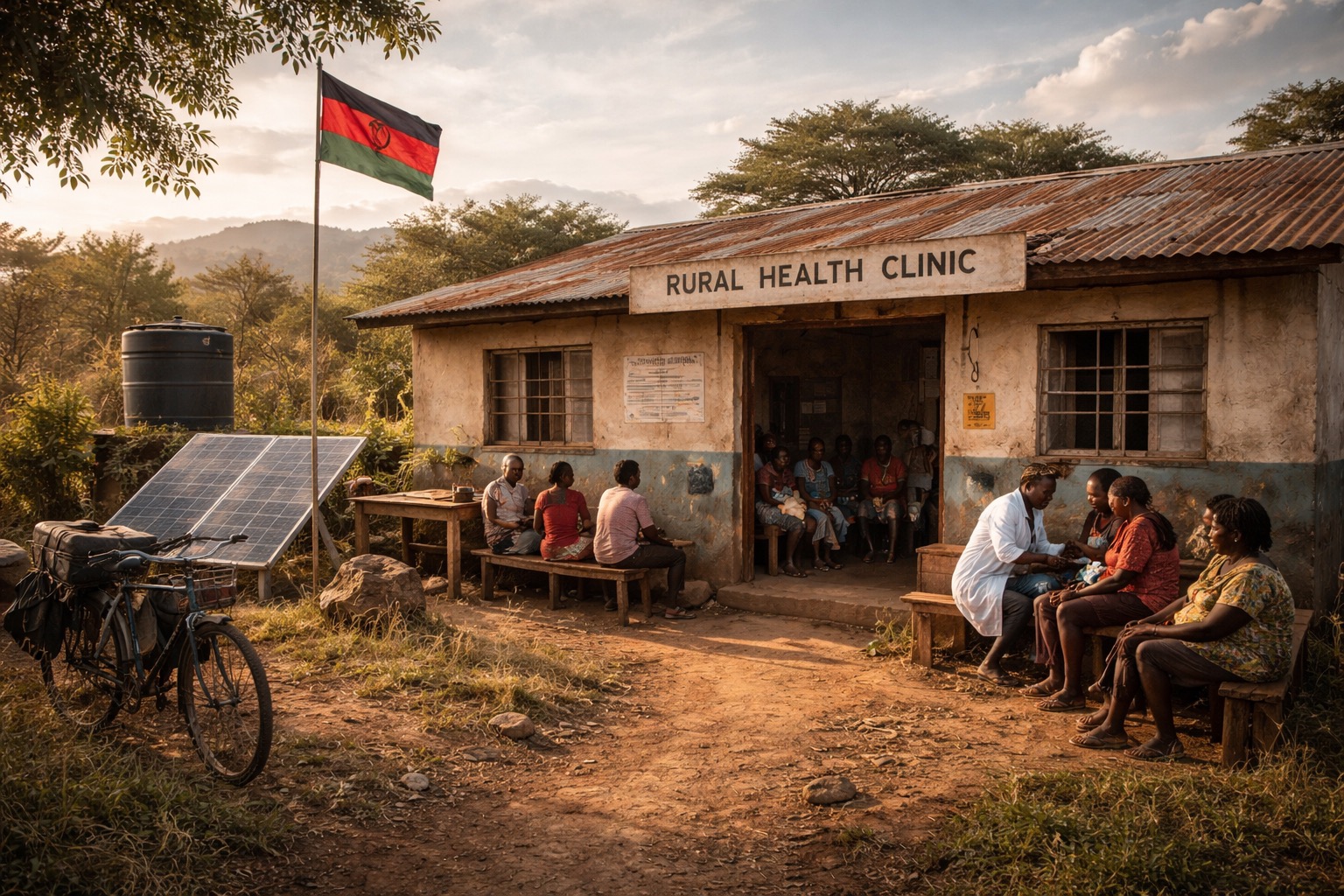
Olosho-Oibor Dispensary at dusk. Patients wait on benches outside weathered walls. A fading solar panel leans nearby. A bicycle rests in the dirt.

Rural clinic in Kenya

Olosho-Oibor Dispensary · Narok County, Kenya
3,000
Patients
1
Nurse Midwife
4–6
Outages / Week
2–6 hrs
Each Blackout
1B+
people receive care where power
can fail, disabling oxygen, vaccines, and surgical equipment
182,000
maternal deaths per year
in Sub-Saharan Africa
499 per day, preventable with reliable power
2.8M
child deaths (under 5) per year
in Sub-Saharan Africa
Many during or shortly after delivery
~6,000
maternal deaths per year in Kenya
~16 per day, concentrated in counties like Narok
Lubaale & Mushega, 2025; Sayagie, 2025
$28B
in medical equipment sits idle across Africa
due to unreliable power infrastructure
1 in 55
lifetime risk of pregnancy-related death
for women in sub-Saharan Africa
451M
rural residents in sub-Saharan Africa
without access to electricity
61%
of maternal deaths averted in a Uganda study
when reliable electricity was available

A power outage during delivery can be fatal.

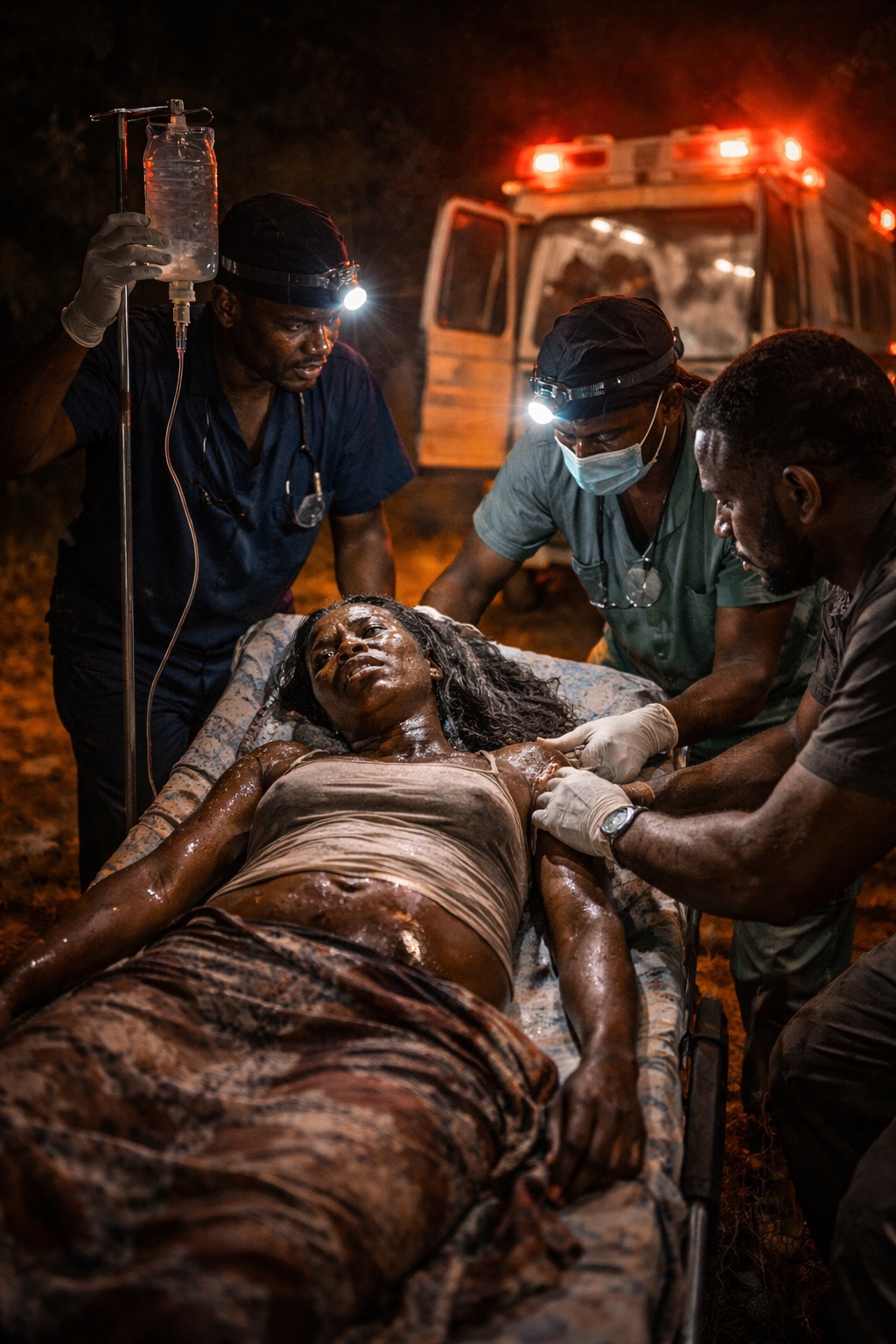
Without backup power, oxygen concentrators shut off, monitors go dark, and clinicians work by phone light. For mothers and newborns, the outcome depends on whether the equipment stays on.

In Sub-Saharan Africa, 182,000 mothers and 2.8 million children under 5 die each year from preventable causes.

Reliable clinic power directly reduces these numbers.

Donate Now
43%

Patient mortality rises 43% for every day a power outage exceeds two hours.

~6,000 mothers and 64,500 children under 5 die every year in Kenya.

Sources: WHO, 2023; WEF, 2020; CHAI, 2025; Lubaale & Mushega, 2025; Sayagie, 2025

Tractable

For the price of one conventional battery ($5,000–$10,000), BioKite trains local engineers to build systems that last about seven years and keep a clinic powered for the thousands of patients it serves each year. Engineers build the systems from recovered materials (NuruGrid), and a last-mile motorbike network (NuruLoop) moves batteries to remote health posts across Narok County.

Always-On Power
Keeps oxygen, refrigeration, and surgical equipment running through outages.
Continuous Cold Chain
Vaccines and life-saving medicines stay refrigerated through every outage. No spoiled doses. No wasted treatments.
🎓
Certified Local Officer
A trained energy officer stays on site, accountable.
Verified Compliance
Weekly scorecards and monthly uptime reports.
🫁
Oxygen Compressor
Lifesaving Breath
🧊
Vaccine Refrigerator
Prevent Vaccine Spoilage
🚰
Surgical Sterilizer
Eliminate Infection Risk

Why the Power Never Stays On

  • Rural clinics sit at the end of the line. Last served, first cut.
  • 87% of donor-funded solar systems fail within five years because ongoing maintenance costs were never budgeted.

The Math

~$250
Clinic's annual budget
$5,000
Conventional backup battery

A clinic budgeting ~$250 a year can't afford a $5,000 battery -even if one existed that could be repaired locally. None does.


What Changes

A medical team works to stabilize a woman on a stretcher beside a rural ambulance at night, lit only by their headlamps

The Mission

Saving the Mother and Her Baby.

In rural Nigeria, a baby in severe respiratory distress died. Deserted by power, it stole her last breath.

Dr. Emmanuel Gayus, MPH, Harvard T.H. Chan School of Public Health

We delivered by phone light and transferred her 45km to the nearest hospital. With backup power, that transfer would not have been necessary.

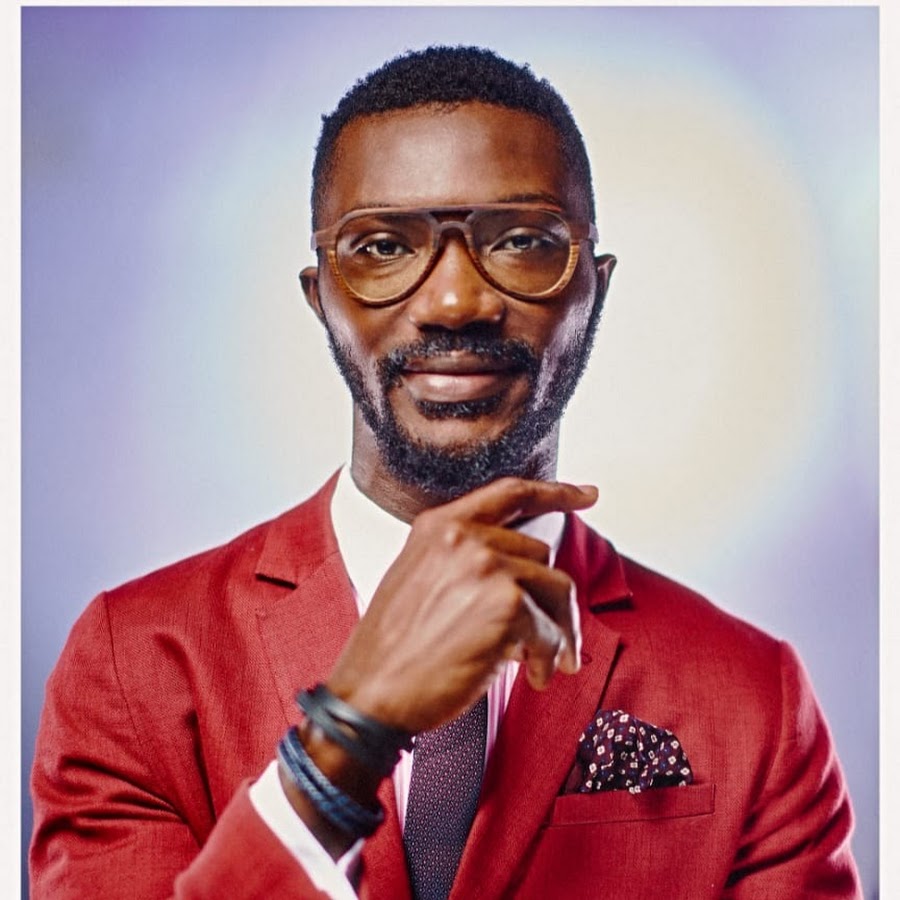
Mike Tuffour Amirikah, MD MPH EMBA, Co-Founder & VP, BioKite Labs

After losing my childhood best friend Penelope suddenly, with no warning she was severely ill, I understood what it means when the people around you cannot access the care they need. Communities in the Maasai Mara face that same reality every time a power outage hits during delivery.

Sarah Wang, MPH, Co-Founder & CEO, BioKite Labs
The Team

Harvard, MIT, the United Nations, and field experience across four continents.

Harvard T.H. Chan School of Public Health Harvard Kennedy School Stanford University Stanford Graduate School of Business UC Berkeley MIT
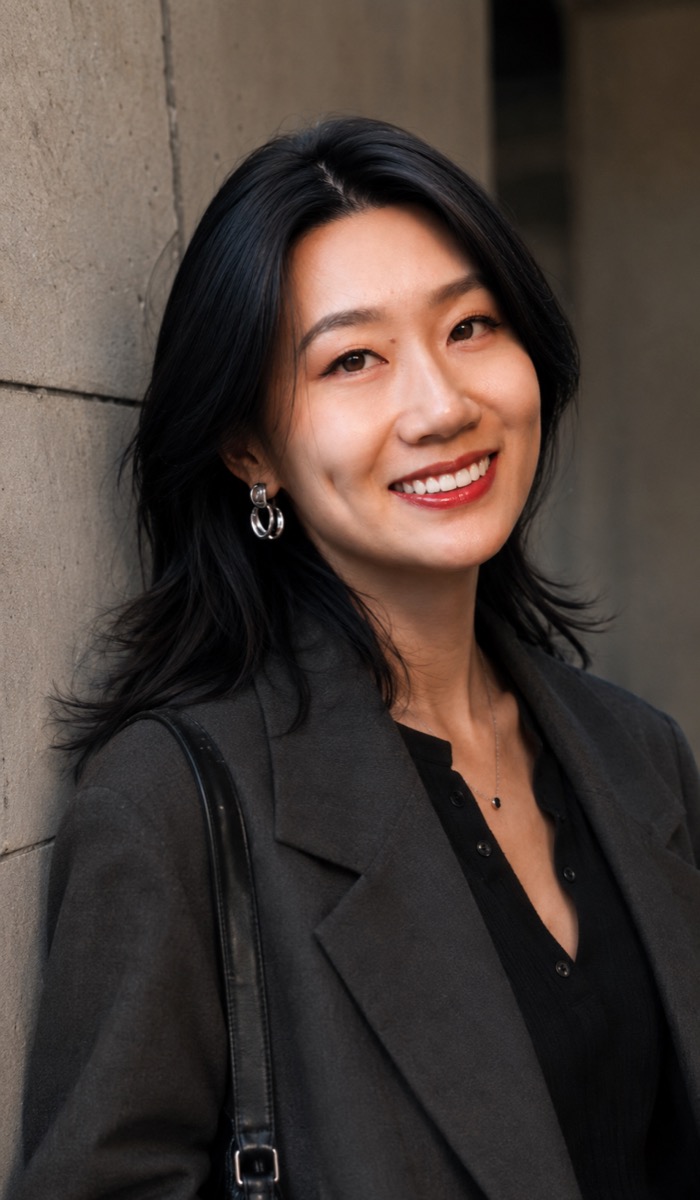
Sarah Wang

Sarah Wang, MPH in

Co-Founder & CEO
Harvard MPH. MIT AI Certificate. 10+ years global health research.
Owns: Mission Fidelity & Capital Strategy
Maison Ole Kipila

Maison Ole Kipila in

Co-Founder & Chief of Partnerships
8+ years Maasai community leader. UN Indigenous Peoples Caucus (COP30).
Owns: Community Trust & Stakeholder Retention
Mike Tuffour Amirikah

Mike Tuffour Amirikah, MD, EMBA, MPH in

Co-Founder & Vice President
Harvard MPH. 10+ years rural clinical experience in Africa.
Owns: Clinical Readiness & Health Outcomes
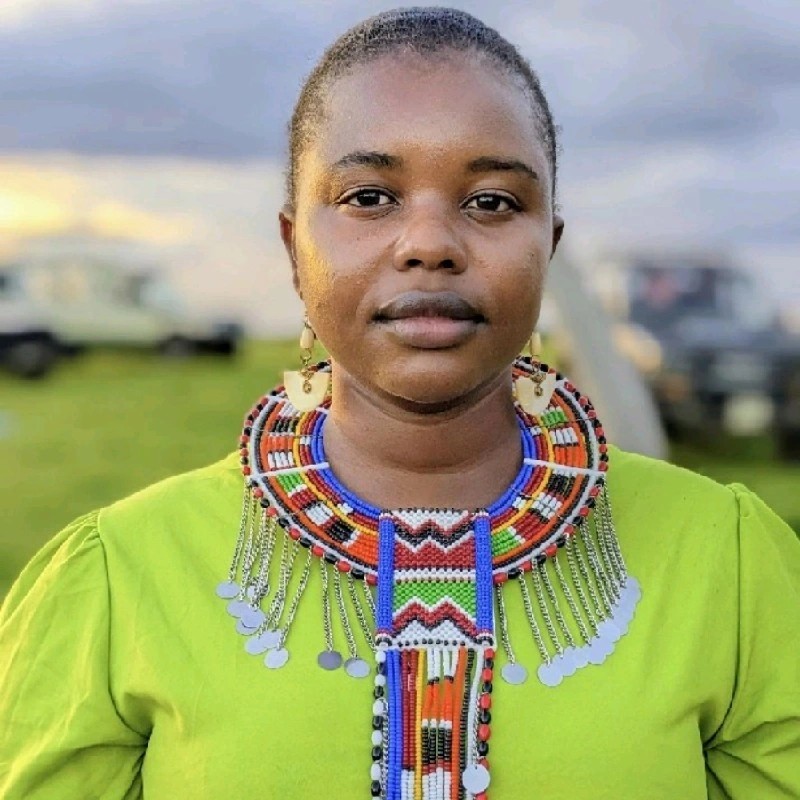
Naeku Leshao

Naeku Leshao

Chief Marketing Officer
7+ years empowering communities in the Maasai Mara. Top 100 Women of Influence 2025.
Owns: Brand Voice & Community Reach
Byron Aho

Byron Aho in

Advisor
25+ years electrical installation, power-grid deployment, clinic solar+battery systems.
Brian H. Potts

Brian H. Potts, JD, LLM in

Advisor
25+ years energy markets law. UC Berkeley Law.
Tony Medrano

Tony Medrano, JD, MBA in

Advisor
3x startup CEO, 2 exits. Stanford JD/MBA.
Tejasvi Sharma

Tejasvi Sharma, PhD, MPA in

Advisor
Harvard MPA. PhD Mechanical Engineering. Renewable energy systems.
YA

Yikee Adje, MA

Advisor
17+ years international development in Africa.
Paul Maina

Paul Maina

Lead Engineer Trainer
Duncan Kayiok Neboo

Duncan Kayiok Neboo

Youth Leadership Chair
Griffine Lepore

Griffine Lepore

Engineer Trainee
Bryan Kisantu

Bryan Kisantu

Youth Leadership Officer
Emmanuel Lekishon

Emmanuel Lekishon

Engineer Trainee
Isaack Nkoompa Kariankei

Isaack Nkoompa Kariankei

Youth Leadership Officer
Alex Kayioni

Alex Kayioni

Engineer Trainee
Daniel Kadipo Rakwa

Daniel Kadipo Rakwa

Youth Leadership Officer
Gideon Leahan Seneneng

Gideon Leahan Seneneng

Youth Leadership Officer
Brian Rikoyian Sengeny

Brian Rikoyian Sengeny

Engineer Trainee
Without reliable power

Preventable deaths continue.

  • × Oxygen concentrators shut off during delivery
  • × Vaccines and medicines spoil without refrigeration
  • × Surgical equipment fails when patients need it most
  • × No backup power, no trained staff to maintain it
With BioKite Clinic Ready Mode

Mothers and newborns survive.

  • All critical equipment stays powered through outages
  • Vaccines and medicines stay refrigerated
  • A certified local energy officer maintains the system
  • The community owns its power and its future

Package

Required
01

Always-On Power

LiFePO4 and solar batteries

Required
02

Cold Chain Integrity

Cold chain maintenance

Required
03

Certified Officer On Site

Local serving the community

Required
04

Verified Compliance

Weekly scorecards and monthly reports.

Narok County, Kenya.

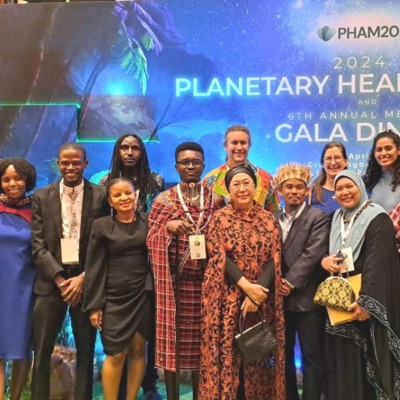
Co-designed with 24 local stakeholders. Majority Maasai indigenous team. Expanding to four Kenyan communities.

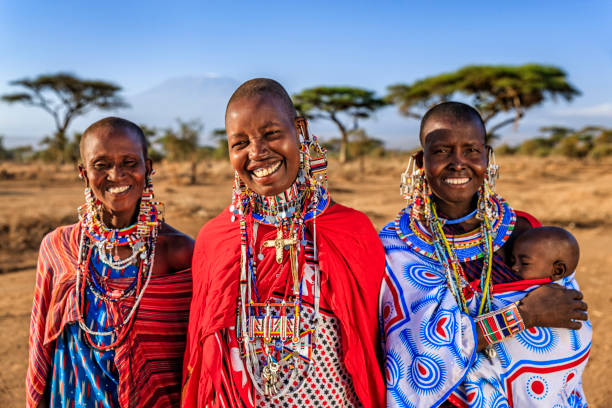
Three Maasai women in traditional beadwork smiling, one holding her baby

The mothers we serve

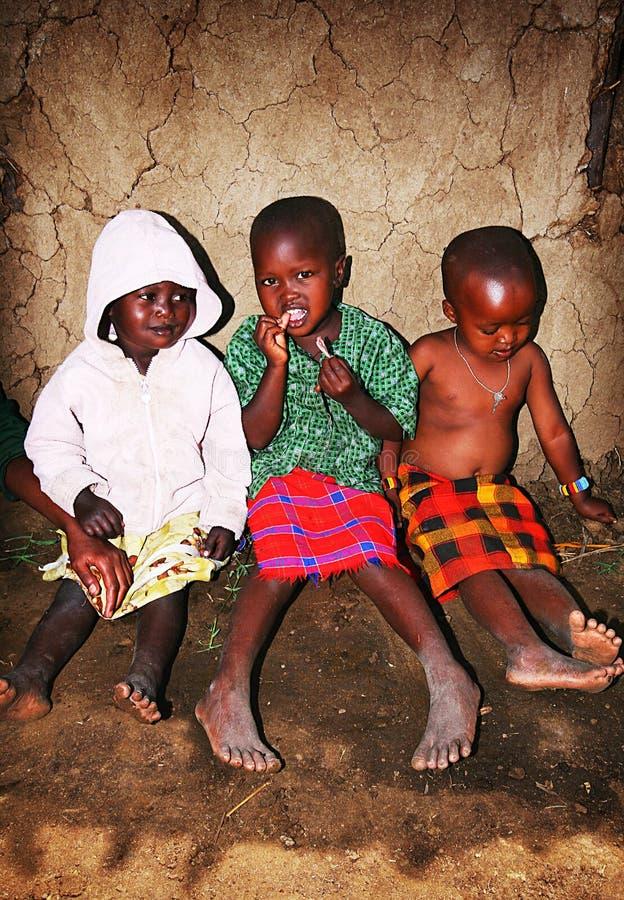
Three young Maasai children sitting together

The children who need the power to stay on

County partnerships
12 community ambassadors
Zero subscriptions
Community-owned assets
A NuruLoop rider in a BioKite Labs cap and shirt rides a motorcycle carrying a backup battery across the Kenyan savanna, with a giraffe in the background
Mission: Saving the Mother and Her Baby

Owned by the local Maasai Mara community. When a clinic controls its own power, it controls its ability to care.

Solar infrastructure falling into disrepair because maintenance costs weren't properly funded.

Dr. Neil Buddy Shah

CEO, Clinton Health Access Initiative · February 2025

From Investment to Impact

Every dollar follows a measurable chain from funding to lives protected.

1
$75K

Investment

Measured by: transparent budget with line-item audit

2
15

Engineers Certified

Measured by: certification exam pass rate

3
30

Batteries Built

Measured by: deployment logs and safety checks

4
15

Clinics Powered

Measured by: weekly uptime scorecards

5
150K

Lives Protected

Measured by: catchment population and outcome data

Quarterly impact reports delivered in PDF. Aligned with GRI 305, GRI 413, and SDGs 3, 7, 11, 13. View full ESG partnership overview

Operations Dashboard

Six numbers we check every week. If it is not measured, it did not happen.

Engineer Pipeline
15

Youth engineers selected for 160-hr certification. Training begins at pilot launch.

Target Clinic Uptime
99%+

Real-time weekly scorecards. Preventive maintenance logged. Zero unplanned downtime goal.

Cost per DALY
<$105

Projected at scale. $350–$525 in pilot phase. WHO benchmark: $2,200.

Stakeholder Governance
24

Local stakeholders in governance. Majority Maasai. Community ownership at every level.

Battery Lifespan
7 yr

LiFePO4 systems designed for durability. No subscriptions. No external contractors needed.

Expansion Pipeline
4

Kenyan communities ready for replication. Documented playbook for every county health system.

Every metric connects to outcomes. Dashboards updated weekly. We publish raw data -ask us for it.

Certified energy officer working on solar panels at sunset
NuruGrid

Locally built backup power systems assembled by certified local engineers using retired EV battery cells sourced from the WEEE Centre in Nairobi. LiFePO4 chemistry chosen for safety, 7-year lifespan, and tolerance for irregular solar charging.

NuruLoop rider delivering battery to a rural clinic
NuruLoop

Last-mile logistics network integrating with existing motorbike networks to deliver battery materials and assembled units to remote health facilities.

The Mission

Saving the Mother and Her Baby.

Partner With Us

Audit-ready impact data. Board-reportable outcomes. Zero recurring fees.

We keep the dispensaries that programs, health workers, and prior investments already depend on running during the moments that matter most.

Engagement can range from a 30-minute conversation to anchoring a donor consortium: program collaboration, county coordination, or research on our open before-and-after dataset. Each option is independently scoped. Split-pay arrangements welcome.

Local Ownership
Locally certified engineers. The community owns and maintains the systems: zero subscriptions, durable local capacity.
Measurable Evidence
We publish clinic uptime before and after, ready for donors and peer-reviewed research.
Scalable Model
Narok is a documented case study, replicable across counties and countries.
Reportable ESG Metrics
Quarterly impact reports aligned with GRI 305 & GRI 413. Ready for your sustainability report.
21x More Cost-Effective
Projected $350–$525/DALY in pilot, potential <$105 at scale vs. WHO threshold of $2,200.
Brand Association
Named dispensary partner. Site visits. Co-branded impact reporting for your team.

What You Receive: Sample Quarterly Report

BioKite Partnership Impact Summary
Q1 2026 - [Your Company Name]
BioKite
Environmental Impact
CO2 equivalent offset4,080 kg
Batteries diverted from landfill48 units
Health Impact
Clinics powered6
Critical equipment uptime99.7%
Vaccine doses protected8,160
Social Impact
Certified energy officers employed6
Community ownership transfers6 facilities
Data collected via weekly scorecards. Full methodology available. Aligned with GRI 305, GRI 413, SDGs 3, 7, 11, 13.

View full ESG partnership overview

Request a Partnership Brief

We will send you a 2-page CSR partnership overview within 24 hours.

Current Partnerships

Maasai Mara University Maasai Mara Youth Council Elongko Africa ACOPPHE

The pilot is co-designed with 24 local youth engineers in Narok County, led by Lead Engineer Trainer Paul Maina. Coordination with Clinton Health Access Initiative on rural health infrastructure.

Frequently Asked Questions

Yes. Donations to BioKite Labs are tax-deductible. We are filing for 501(c)(3) tax-exempt status before February 2027. Donations are processed securely via Stripe.

Partners at $20K+ receive quarterly impact reports in PDF format, aligned with GRI 305 and GRI 413. Reports include clinic uptime data, environmental metrics, and health outcomes - ready for your sustainability report or board presentation.
Yes. Site visits to Narok County are available for partners at all tiers. Meet the engineers, visit the clinics, and see the impact firsthand.
87% of donor-funded solar systems fail within five years because ongoing maintenance costs were never budgeted. BioKite solves this with locally certified energy officers who own, operate, and maintain the systems. Zero subscriptions, zero dependency on external contractors. The community keeps the power on.
Yes. Split-pay arrangements are welcome at all tiers. We will work with your team on a schedule that fits your fiscal year.
BioKite aligns with SDG 3 (Good Health & Well-Being), SDG 7 (Affordable & Clean Energy), SDG 11 (Sustainable Cities & Communities), and SDG 13 (Climate Action). Full alignment documentation available in our ESG partnership overview.

Every clinic deserves power that
never goes out.

$50 pays an engineering student for one week. $150 builds one battery. $75,000 powers 15 clinics across four communities. Every dollar runs the pilot.

A supporter in Boston, MAdonated $100 to the pilot
12 minutes ago
Donate Now